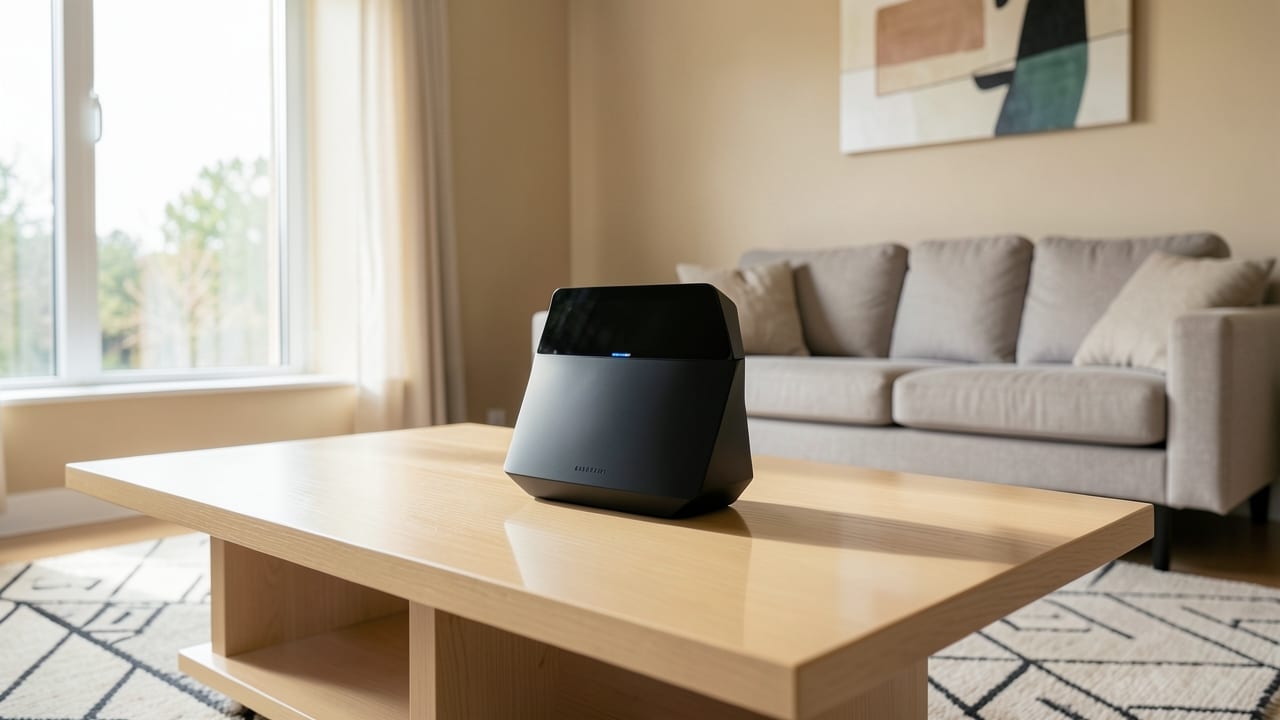
Indoor Air Quality Testing
Indoor air quality testing in Sandy, UT measures particulate levels, humidity, and allergens to identify what a home's HVAC system is actually circulating.
In Sandy, UT, indoor air quality testing uses precise tools to measure what’s actually in your home’s air—particulates, humidity, and mold spores—rather than guessing based on smell or appearance. This data-driven approach helps identify hidden issues and confirm improvements after duct cleaning or remediation.
Why Test Your Indoor Air in Sandy?
Sandy homes can harbor invisible pollutants like fine dust, mold spores, or excessive humidity, all of which impact health and comfort. Testing provides objective data to address issues like unexplained allergies, musty odors, or recent water damage without relying on assumption.
We also handle Ductwork Replacement and Air Handler Cleaning for Sandy properties.
A baseline test helps you decide if duct cleaning is necessary, while follow-up testing verifies the work’s effectiveness. This is especially useful for families with respiratory sensitivities or older homes with aging HVAC systems.
Signs Your Sandy Home Needs Air Quality Testing
- Allergy or respiratory symptoms that improve when away from home
- Persistent musty or stale odors with no visible source
- Recent water intrusion (leaks, flooding, or high humidity events)
- Visible mold growth or water stains near vents or ductwork
- Unexplained dust buildup despite regular cleaning
What Testing Actually Measures
A particle counter quantifies fine particulate matter (PM2.5 and PM10) at multiple points in your home, while a hygrometer measures relative humidity to flag risks like mold growth (high humidity) or dry air (low humidity).
If mold is suspected, air samples are collected and sent to an independent lab for species identification and spore-count analysis. This ensures accurate diagnosis before any remediation begins.
| Tool | Measures | Purpose |
|---|---|---|
| Particle Counter | PM2.5 and PM10 levels | Identifies fine dust, pollen, and other airborne particulates |
| Hygrometer | Relative Humidity (%) | Detects moisture risks (mold) or dryness (static, respiratory irritation) |
| Lab Air Sample | Mold species and spore count | Confirms mold presence and type for targeted remediation |
How Indoor Air Quality Testing Works in Sandy
Testing is performed by trained technicians using professional-grade equipment.
- 1Initial Consultation
A technician reviews your concerns, home layout, and any visible signs of air quality issues to determine an appropriate testing approach.
- 2Equipment Setup
Particle counters and hygrometers are placed in key areas (bedrooms, living spaces, near HVAC vents) to capture representative data.
- 3Sample Collection
Air samples are collected if mold is suspected, typically using cassettes that are later analyzed by an independent lab.
- 4Data Analysis & Reporting
Results are compiled into a clear report, comparing your home’s air quality to recommended standards and identifying any concerns.
Frequently Asked Questions
How long does indoor air quality testing take in Sandy?
Testing typically takes 1–2 hours, depending on the size of your home and the number of test points. Lab analysis for mold samples may add 2–5 business days.
Can I test my air quality myself?
Consumer-grade monitors can detect basic issues, but professional testing uses calibrated equipment and lab analysis for precise, actionable results.
Do I need testing if I don’t have allergies?
Even without symptoms, testing can reveal hidden issues like high humidity or dust buildup that may affect long-term health or HVAC efficiency.
Is testing included with duct cleaning?
Testing can be bundled with duct cleaning, but it’s also available as a standalone service. Call for a quote—pricing depends on test points and lab analysis.
See West Jordan, UT for more, or check out how our Sandy crew can help by category for our complete lineup.
Ready to get started?
Talk to a local air duct cleaning pro in Sandy — get a written quote.
Other Air Duct Cleaning Services in Sandy
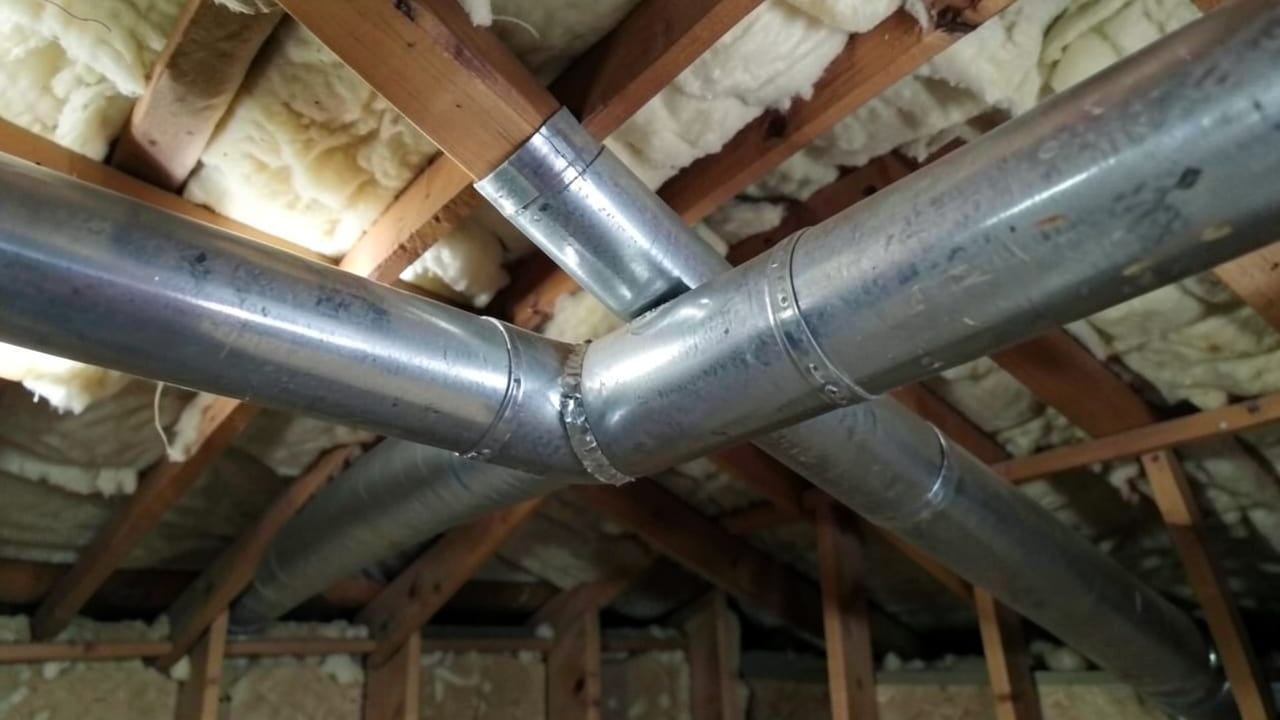
Ductwork Replacement in Sandy, UT
Replacing old or damaged air ducts to improve HVAC efficiency and indoor air quality.
Learn More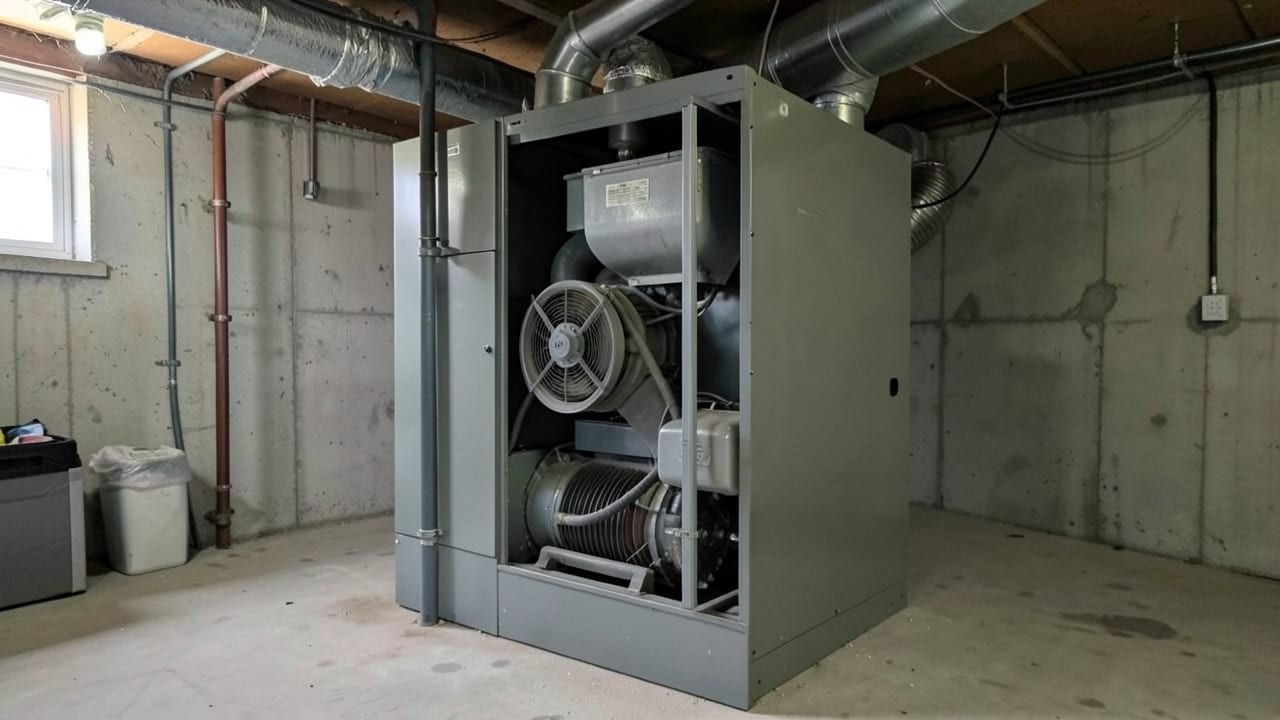
Air Handler Cleaning in Sandy, UT
Professional cleaning of air handler units to improve HVAC efficiency and indoor air quality.
Learn More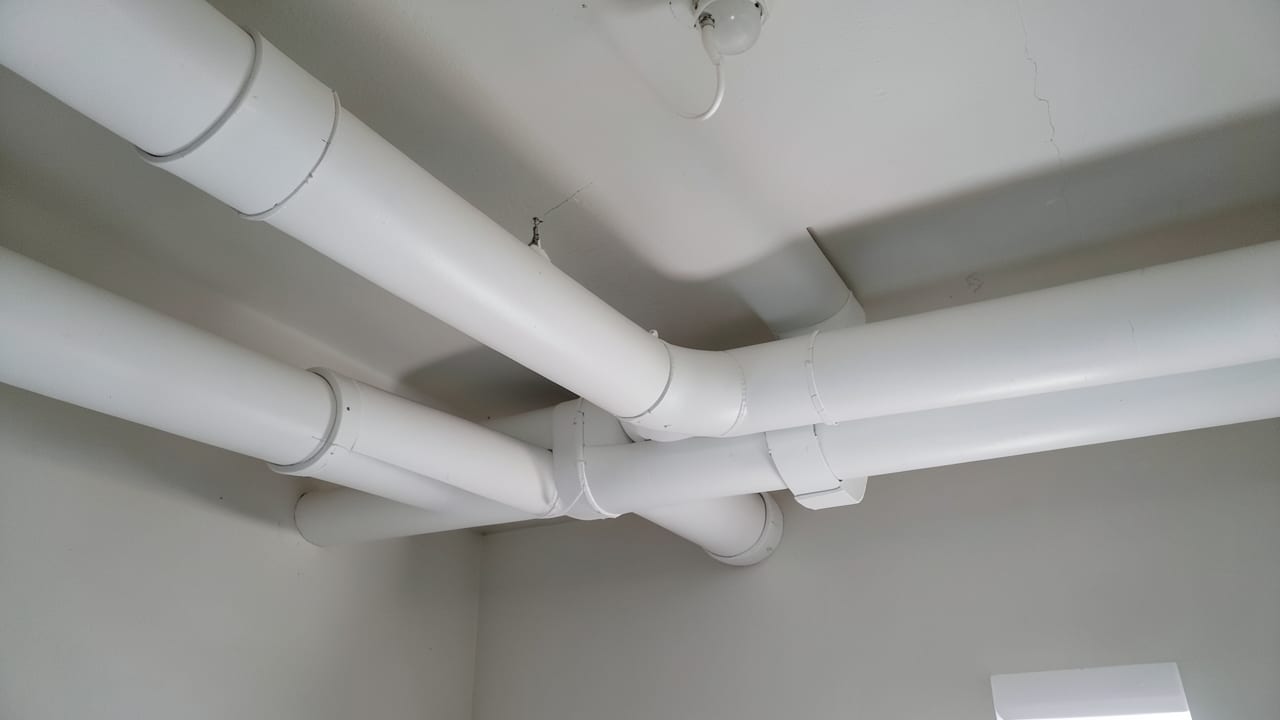
Vinyl Duct Cleaning in Sandy, UT
Professional cleaning of vinyl air ducts to remove dust, debris, and contaminants from HVAC systems.
Learn More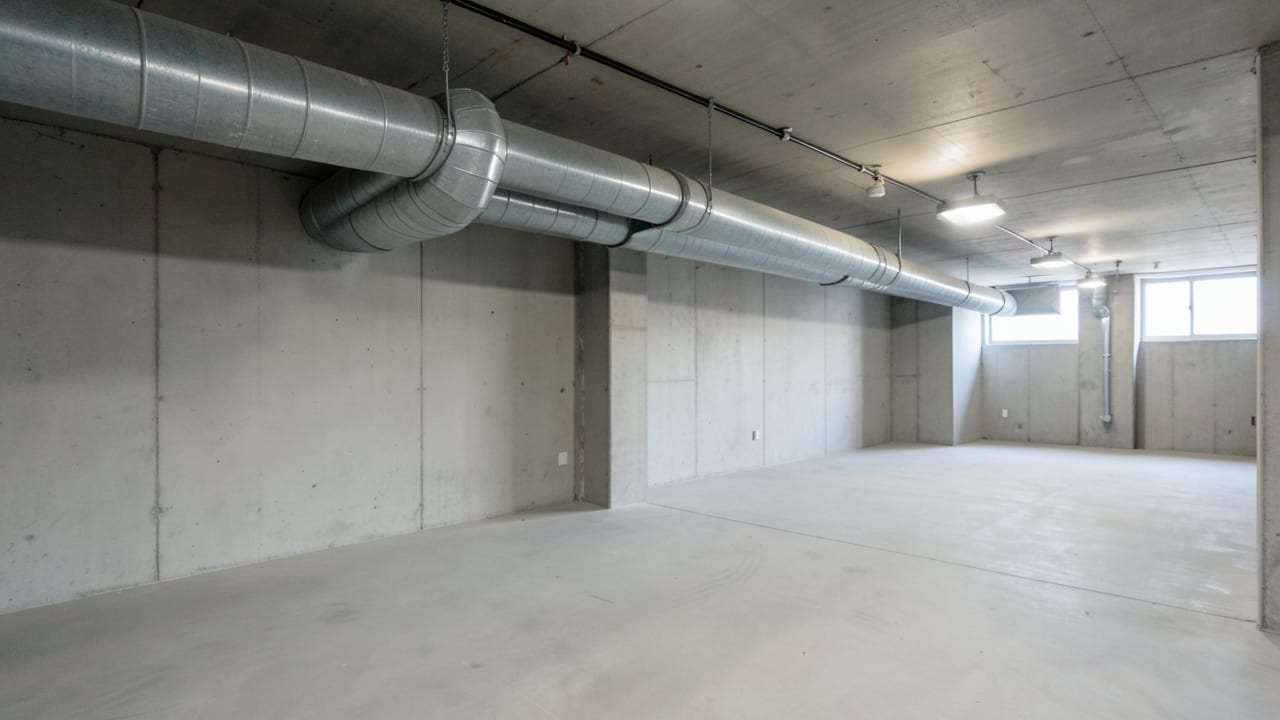
Concrete Duct Cleaning in Sandy, UT
Professional cleaning of concrete ductwork to remove dust, debris, and contaminants from HVAC systems.
Learn More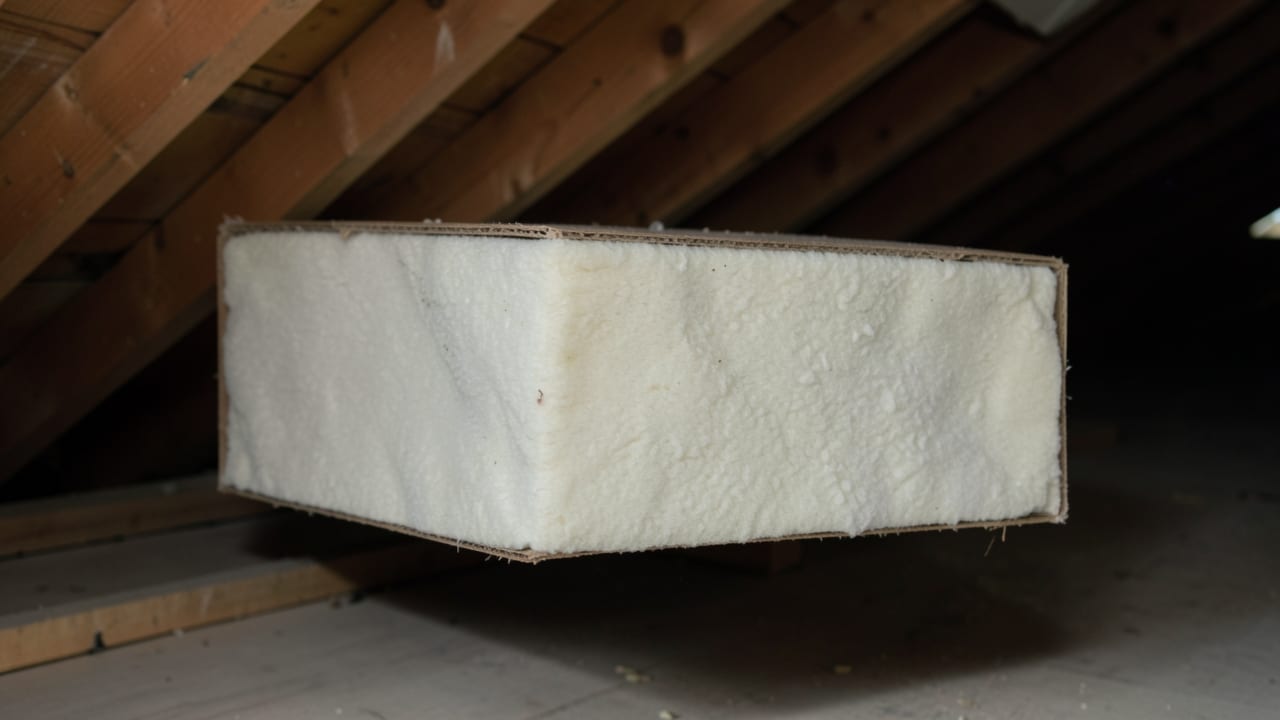
Fiberboard Duct Cleaning in Sandy, UT
Professional cleaning of fiberboard HVAC ducts to remove dust, debris, and contaminants.
Learn More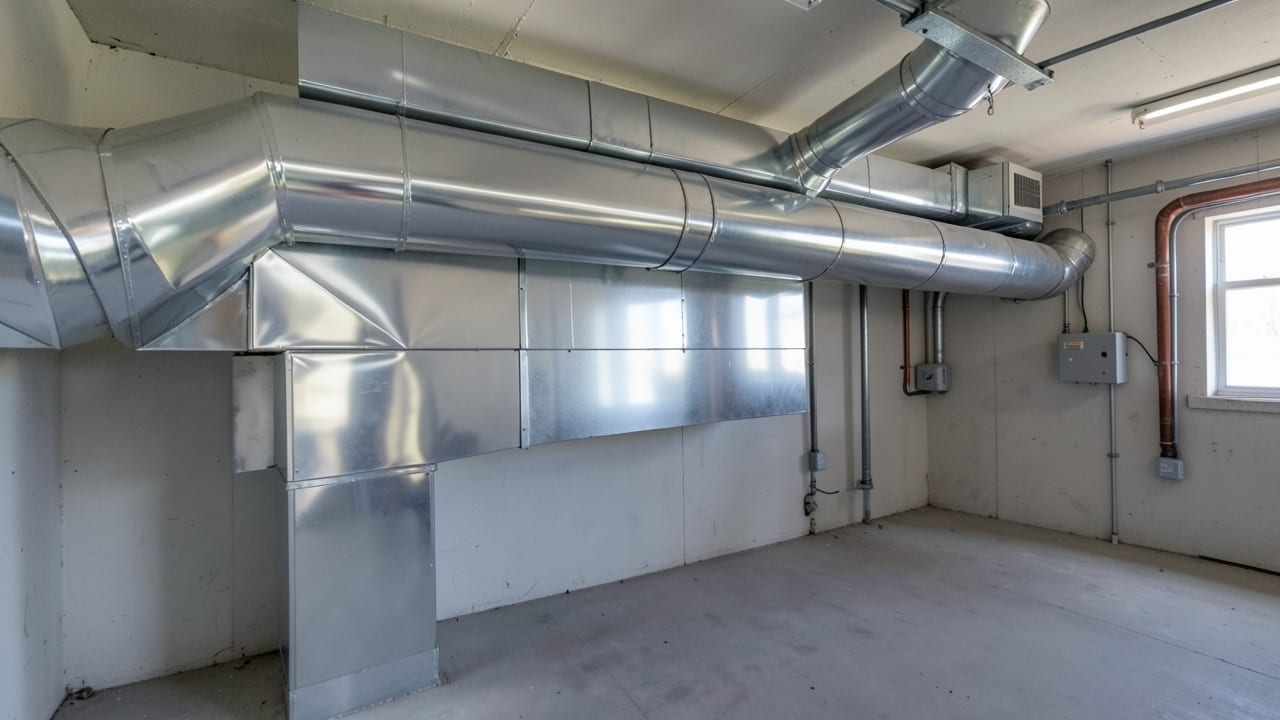
Aluminum Duct Cleaning in Sandy, UT
Professional cleaning of aluminum ductwork to remove dust, debris, and contaminants from HVAC systems.
Learn MoreCommon Questions About Air Duct Cleaning in Sandy
Everything you need to know about air duct cleaning services in Sandy
How much does Indoor Air Quality Testing typically cost in Sandy, UT?
Do air ducts in a dusty climate like Sandy, UT need more frequent attention?
Does duct cleaning include the coils and blower compartment, or only the ducts themselves?
What's the real difference between flat-rate and per-vent air duct pricing?
How often should air ducts actually be cleaned?
What does an air duct cleaning appointment actually involve, step by step?
Need Air Duct Cleaning in Sandy?
Get a written quote from our Sandy crew.
⏰ We answer your call • Serving all of Sandy and surrounding areas