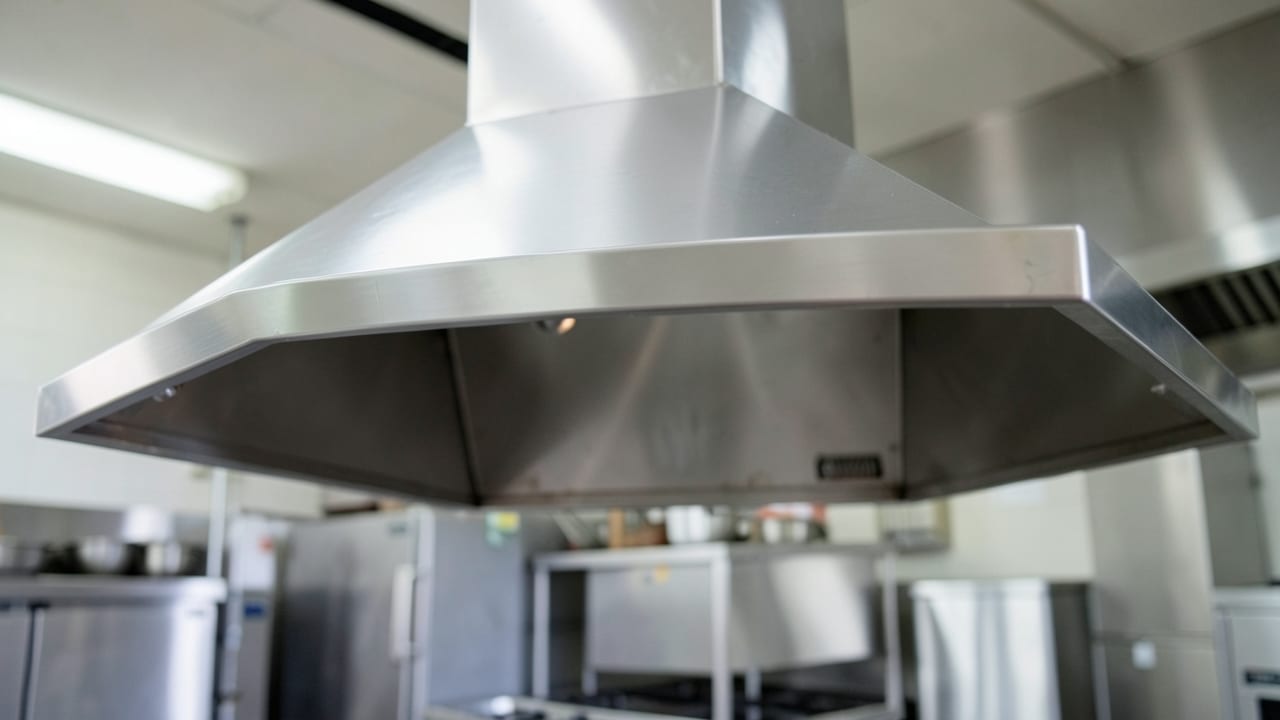
Kitchen Exhaust Hood Cleaning
Commercial and residential kitchen exhaust hood cleaning in Sandy, UT — removes grease buildup from hoods, filters, and ductwork.
In Sandy, UT, professional kitchen exhaust hood cleaning removes flammable grease buildup from hoods, baffle filters, and ductwork—separate from HVAC systems—to meet NFPA 96 fire-code standards and prevent kitchen fires. Residential and commercial kitchens benefit from thorough degreasing to bare metal, ensuring safety and compliance.
Why Sandy Kitchens Need Professional Hood Cleaning
Every time your exhaust fan runs, grease-laden vapor condenses inside the hood and ductwork. Unlike dust, grease is highly flammable, creating a serious fire hazard if left unchecked. NFPA 96 mandates regular cleaning for commercial kitchens to mitigate this risk, and Sandy homeowners face the same danger on a smaller scale.
We also handle Vinyl Duct Cleaning and Concrete Duct Cleaning for Sandy properties.
A full service targets the hood canopy, baffle or mesh filters, exhaust fan housing, and accessible ductwork. Technicians degrease and scrub these components back to bare metal—not just wipe them down—ensuring a deep clean that removes all fire-risk residue.
Signs Your Kitchen Exhaust Hood Needs Cleaning
- Visible grease buildup on the hood or filters
- Reduced airflow or fan performance
- Grease dripping from the hood or ductwork
- Unpleasant odors lingering in the kitchen
- Last cleaning was over 3-6 months ago (commercial) or 1+ year ago (residential)
What Affects Cleaning Frequency and Cost
Cleaning frequency depends on kitchen usage. Commercial kitchens in Sandy often require monthly or quarterly service to meet fire-code and insurance standards, while residential hoods may only need annual cleaning. High-volume or deep-frying operations accelerate grease buildup, increasing the need for frequent service.
Pricing varies based on hood size, ductwork length, and grease accumulation. Commercial systems with extensive ductwork or multiple hoods cost more, while residential range hoods are typically more affordable. Call for a customized quote tailored to your kitchen’s needs.
| Kitchen Type | Typical Cleaning Frequency | Key Factors |
|---|---|---|
| Commercial (High-Volume) | Monthly | Fire-code compliance, insurance requirements, heavy grease buildup |
| Commercial (Moderate) | Quarterly | Steady usage, moderate grease accumulation |
| Residential | Annually | Low usage, smaller hood systems |
| Deep-Frying Operations | Monthly or Bi-Monthly | Extreme grease buildup, higher fire risk |
How Kitchen Exhaust Hood Cleaning Works
Our technicians follow a thorough process to ensure your hood system is safe and compliant.
- 1Inspection
We assess the hood, filters, fan, and ductwork to determine the level of grease buildup and identify any areas requiring special attention.
- 2Preparation
The workspace is protected with drop cloths, and the exhaust fan is turned off to prevent grease from spreading during cleaning.
- 3Degreasing
All surfaces—hood canopy, baffle filters, fan housing, and accessible ductwork—are treated with a degreaser to break down grease deposits.
- 4Scrubbing and Polishing
Technicians scrub each component back to bare metal using specialized tools, ensuring no grease residue remains. Filters are cleaned or replaced as needed.
- 5Final Inspection
We verify that all components are clean, dry, and free of grease. For commercial kitchens, we provide documentation for fire-marshal or insurance compliance.
Frequently Asked Questions
Is kitchen exhaust hood cleaning the same as HVAC duct cleaning?
No. Kitchen exhaust hood cleaning targets the hood, filters, and dedicated exhaust ductwork that removes grease and smoke from cooking. HVAC duct cleaning addresses your home’s heating and cooling system, which is separate and unrelated to kitchen exhaust.
How long does a typical hood cleaning take in Sandy?
Residential range hoods usually take 1-2 hours, while commercial systems can take 2-6 hours or more, depending on the size of the hood, ductwork length, and grease buildup. We’ll provide an estimate during your quote.
Do I need to do anything before the technician arrives?
Clear countertops and move any items stored under the hood to give the technician full access. Turn off the exhaust fan, and ensure the kitchen is free of open flames or active cooking. We’ll handle the rest.
Why can’t I just clean the hood myself?
While you can wipe down the exterior, professional cleaning removes grease from hard-to-reach areas like ductwork and fan housing. DIY methods rarely meet NFPA 96 standards or address the full fire risk, especially in commercial kitchens.
See Kearns, UT for more, or check out our full Sandy-area coverage for our complete lineup.
Ready to get started?
Talk to a local air duct cleaning pro in Sandy — get a written quote.
Other Air Duct Cleaning Services in Sandy
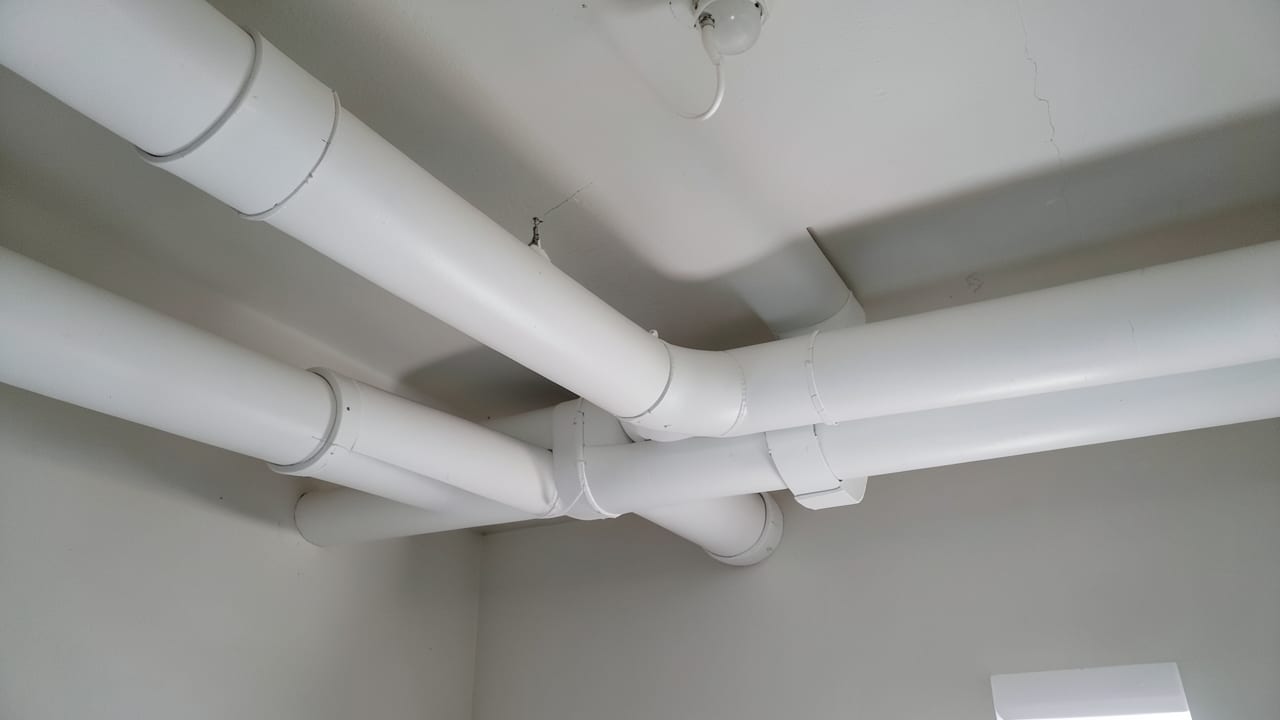
Vinyl Duct Cleaning in Sandy, UT
Professional cleaning of vinyl air ducts to remove dust, debris, and contaminants from HVAC systems.
Learn More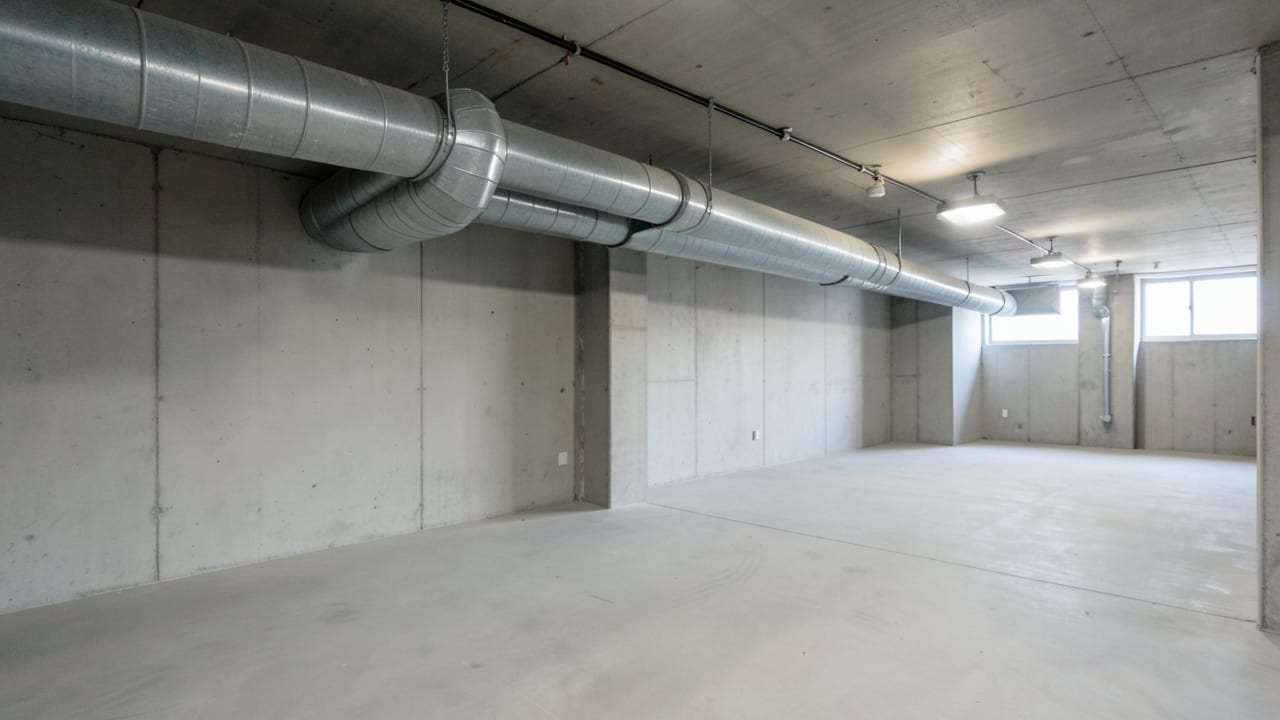
Concrete Duct Cleaning in Sandy, UT
Professional cleaning of concrete ductwork to remove dust, debris, and contaminants from HVAC systems.
Learn More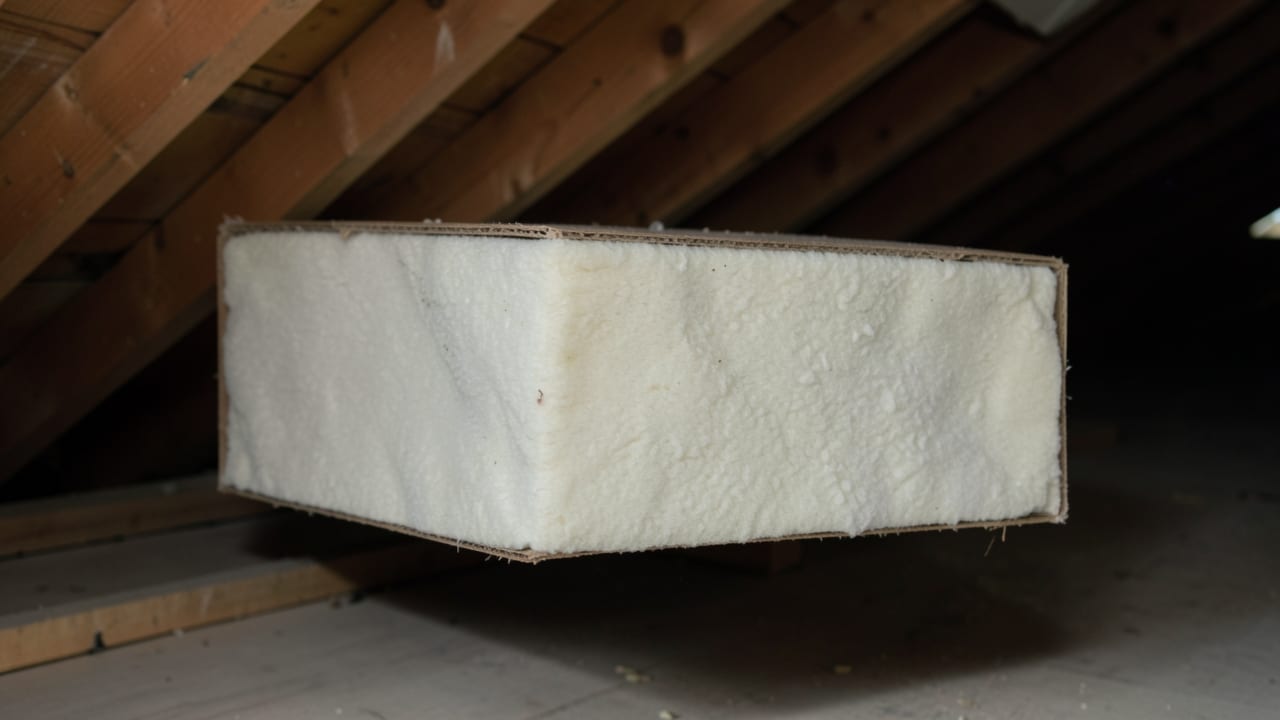
Fiberboard Duct Cleaning in Sandy, UT
Professional cleaning of fiberboard HVAC ducts to remove dust, debris, and contaminants.
Learn More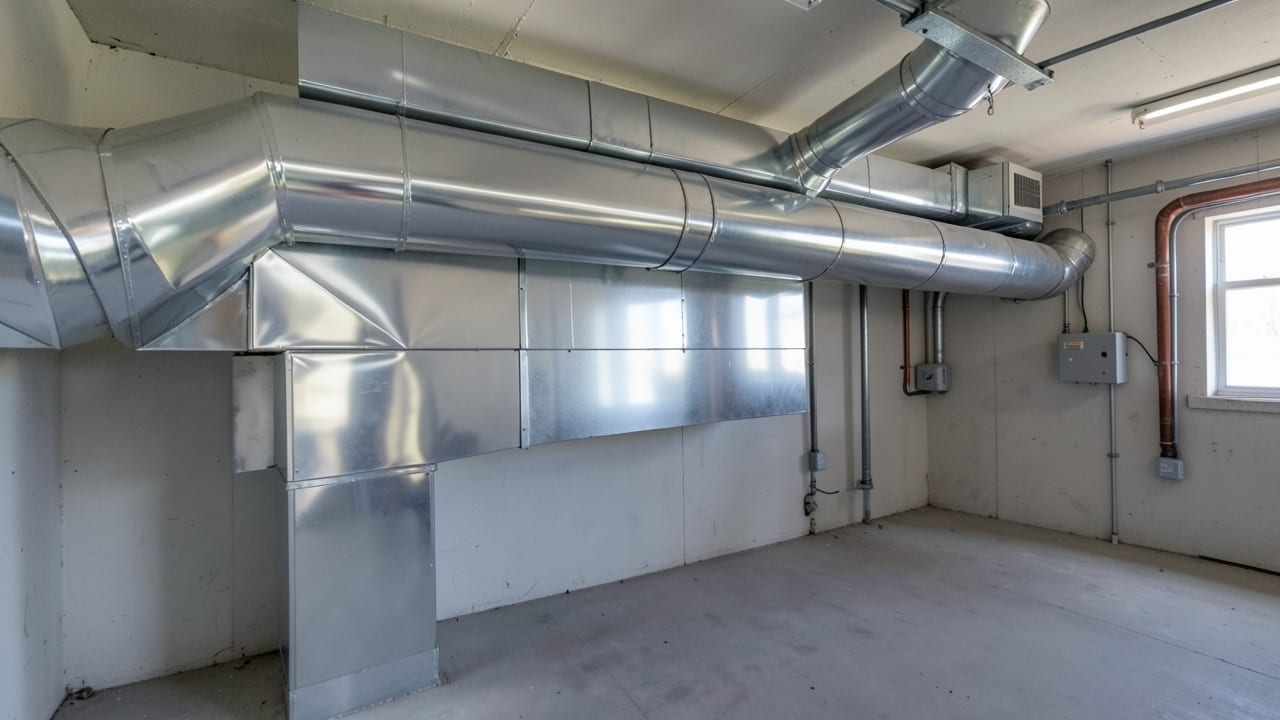
Aluminum Duct Cleaning in Sandy, UT
Professional cleaning of aluminum ductwork to remove dust, debris, and contaminants from HVAC systems.
Learn More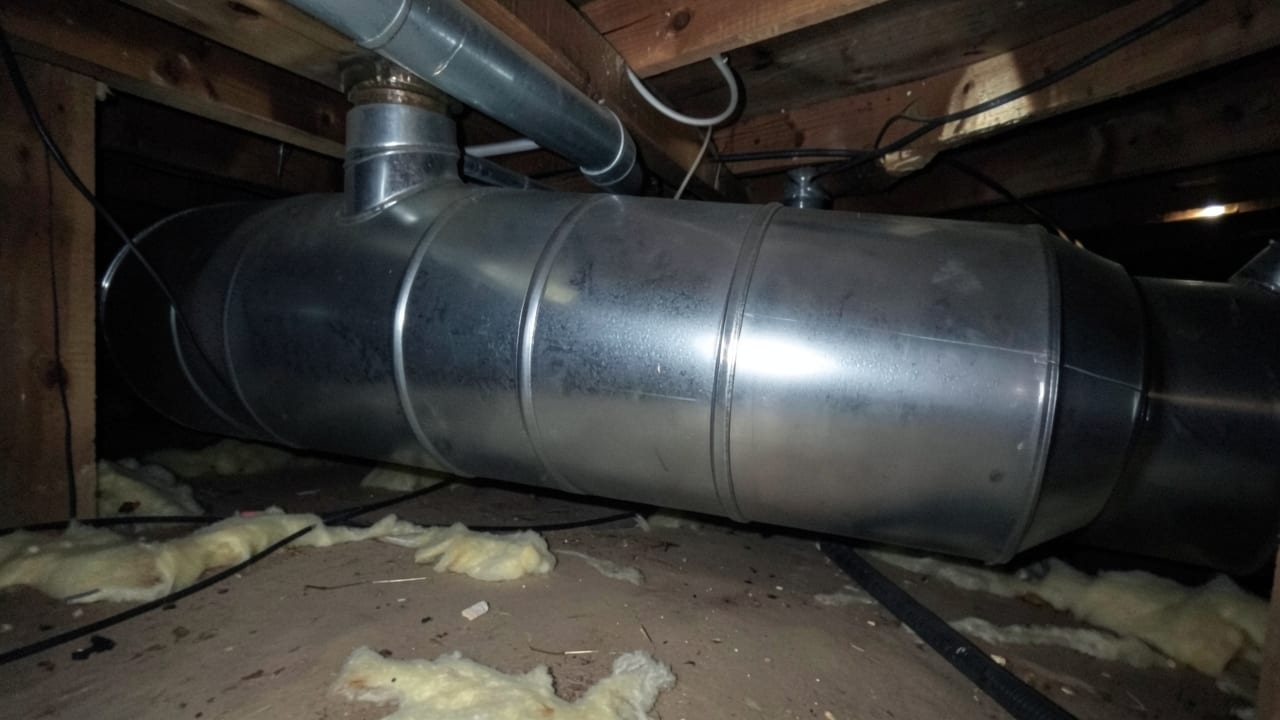
Galvanized Duct Cleaning in Sandy, UT
Professional cleaning of galvanized air ducts to remove dust, debris, and contaminants from HVAC systems.
Learn More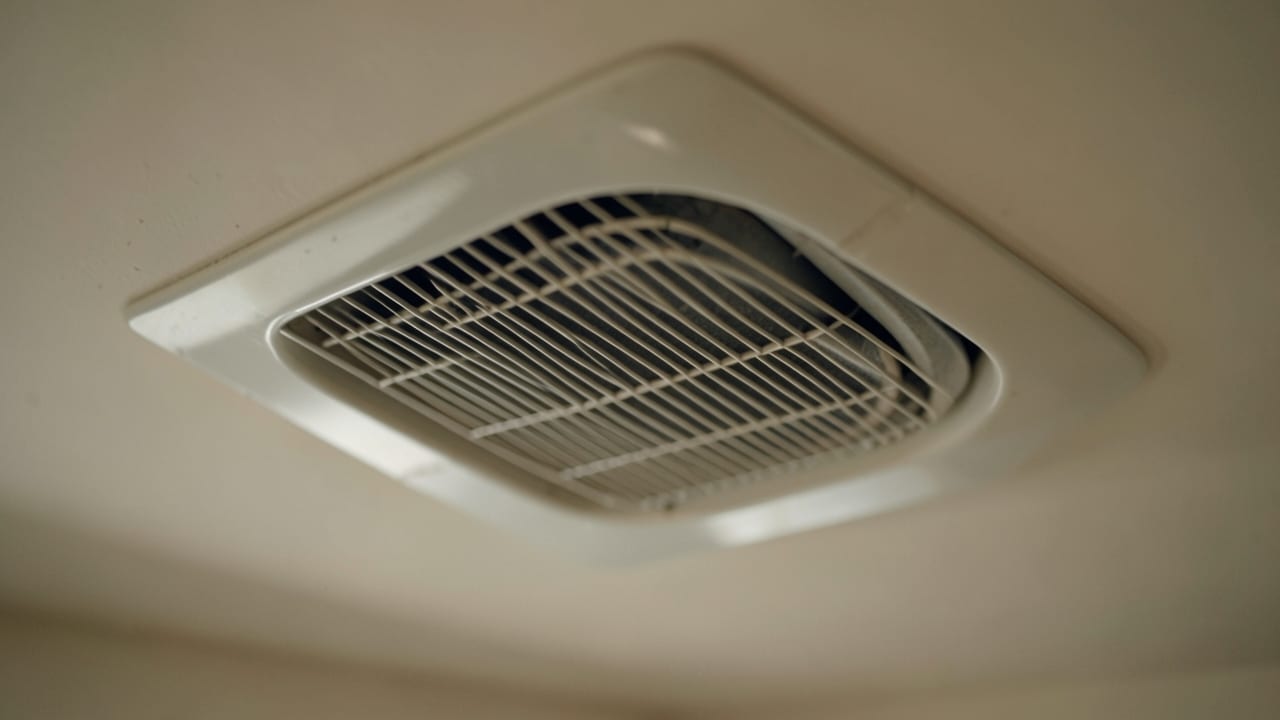
Pantry Vent Cleaning in Sandy, UT
Professional cleaning of pantry ventilation systems to remove grease, dust, and debris buildup.
Learn MoreCommon Questions About Air Duct Cleaning in Sandy
Everything you need to know about air duct cleaning services in Sandy
How much does Kitchen Exhaust Hood Cleaning typically cost in Sandy, UT?
Do air ducts in a dusty climate like Sandy, UT need more frequent attention?
Can air ducts be cleaned with a household vacuum instead of hiring it out?
Is duct cleaning ever covered by a home warranty or insurance policy?
What's the actual difference between duct cleaning and dryer vent cleaning?
Does the cleaning process release dust into the rest of the home?
Need Air Duct Cleaning in Sandy?
Get a written quote from our Sandy crew.
⏰ We answer your call • Serving all of Sandy and surrounding areas