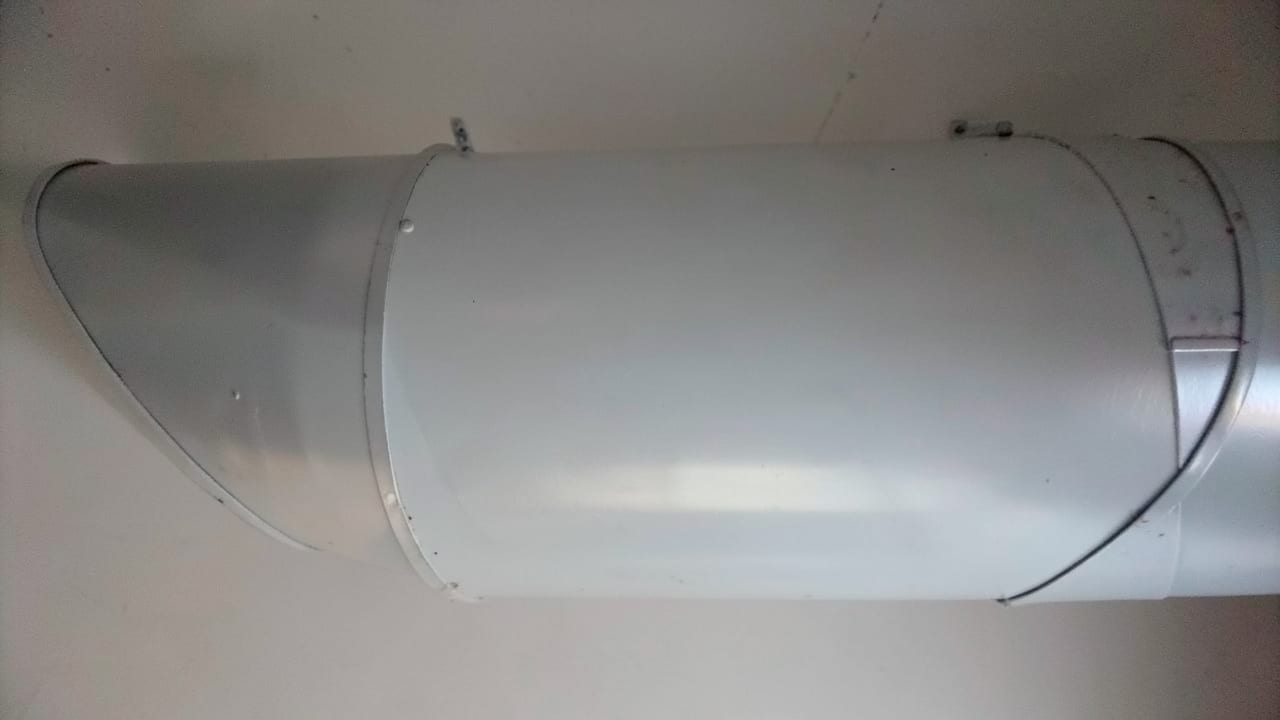
Mold & Mildew Duct Treatment
Mold and mildew treatment for HVAC ductwork in Sandy, UT — antimicrobial application after a full duct cleaning.
In Sandy, UT’s dry climate, mold and mildew in ductwork are rare but possible due to moisture issues like refrigerant leaks or clogged drains. Our EPA-registered antimicrobial treatment, applied after thorough mechanical cleaning, eliminates existing growth and prevents regrowth, ensuring clean, odor-free air in your home.
Why Duct Mold Happens in Sandy’s Dry Climate
Sandy’s arid environment makes duct mold less common, but moisture pockets can still form. A slow refrigerant leak, clogged condensate drain, or malfunctioning humidifier can create damp conditions inside otherwise dry ductwork, allowing mold to take hold.
We also handle Closet Vent Cleaning and Apartment Duct Cleaning for Sandy properties.
Once established, mold requires direct treatment—not just airflow—to clear. A musty odor, especially when the HVAC system turns on, is often the first sign of an issue, even before visible growth appears.
Common Causes of Duct Moisture in Sandy
- Slow refrigerant leak creating condensation
- Clogged condensate drain line
- Humidifier malfunction or overuse
- Ductwork routed through unconditioned, humid spaces (e.g., crawl spaces)
- Failed dehumidifier or poor ventilation
Signs Your Ducts Need Mold & Mildew Treatment
Mold in ductwork doesn’t always produce visible spores, but it often leaves behind unmistakable clues. A persistent musty smell that intensifies when the HVAC runs is a red flag, as the system circulates air across mold colonies. Visible growth near vents or recent water damage near ductwork also warrants an inspection.
Other indicators include unexplained respiratory issues, increased allergy symptoms, or black dust accumulating around supply registers. Early detection prevents spread and reduces the scope of treatment needed.
| Sign | What It Means |
|---|---|
| Musty odor that worsens when HVAC turns on | Mold spores are being circulated through the system |
| Visible black or dark green growth near vents | Active mold colony in ductwork |
| Recent water intrusion near ducts (e.g., leak, flood) | Moisture source may have triggered mold growth |
| Allergy or respiratory symptoms at home but not elsewhere | Potential exposure to mold spores in ductwork |
Pricing & Timing: What to Expect
Pricing for mold and mildew duct treatment depends on your system’s size, the extent of growth, and accessibility. A standard single-family home in Sandy typically ranges from $400 to $1,200, with larger or more complex systems costing more. An on-site inspection provides an exact quote.
Treatment usually takes 2–4 hours, including mechanical cleaning and antimicrobial application. Scheduling is flexible, but addressing moisture sources first ensures long-term results. Ask about prompt scheduling for urgent cases.
How Mold & Mildew Duct Treatment Works
Our process ensures mold is fully removed and prevented from returning.
- 1Inspection & Moisture Assessment
We visually inspect ductwork and identify any moisture sources, such as clogged drains or leaks, that must be addressed to prevent regrowth.
- 2Mechanical Cleaning
High-powered vacuums and brushes remove dust, debris, and surface mold from the duct interior. This step is critical—antimicrobials won’t work if mold is buried under dirt.
- 3Antimicrobial Application
An EPA-registered antimicrobial is applied to all interior duct surfaces, killing remaining mold and mildew and leaving a residual barrier to slow future growth.
- 4Final Testing & Recommendations
We verify the treatment’s effectiveness and provide a report on any moisture sources found, along with repair recommendations to prevent recurrence.
Frequently Asked Questions
Is duct mold really a problem in Sandy’s dry climate?
While rare, it can happen if moisture enters the system. A refrigerant leak, clogged drain, or humidifier issue can create the damp conditions mold needs to grow.
Can I just use an antimicrobial spray without cleaning first?
No. Spraying antimicrobials over dirt or debris only masks the problem. Mechanical cleaning must remove the mold’s food source first for the treatment to work effectively.
How do I know if the musty smell is from my ducts or another source?
If the smell gets stronger when your HVAC turns on, it’s likely coming from your ducts. An inspection can confirm the source and rule out other issues like attic mold or crawl space moisture.
Will the treatment prevent mold from coming back?
The antimicrobial leaves a residual barrier, but you must also fix the moisture source (e.g., a clogged drain) to stop regrowth. Our inspection flags these issues for repair.
See Alta, UT for more, or browse how our Sandy crew can help for our complete lineup.
Ready to get started?
Talk to a local air duct cleaning pro in Sandy — get a written quote.
Other Air Duct Cleaning Services in Sandy
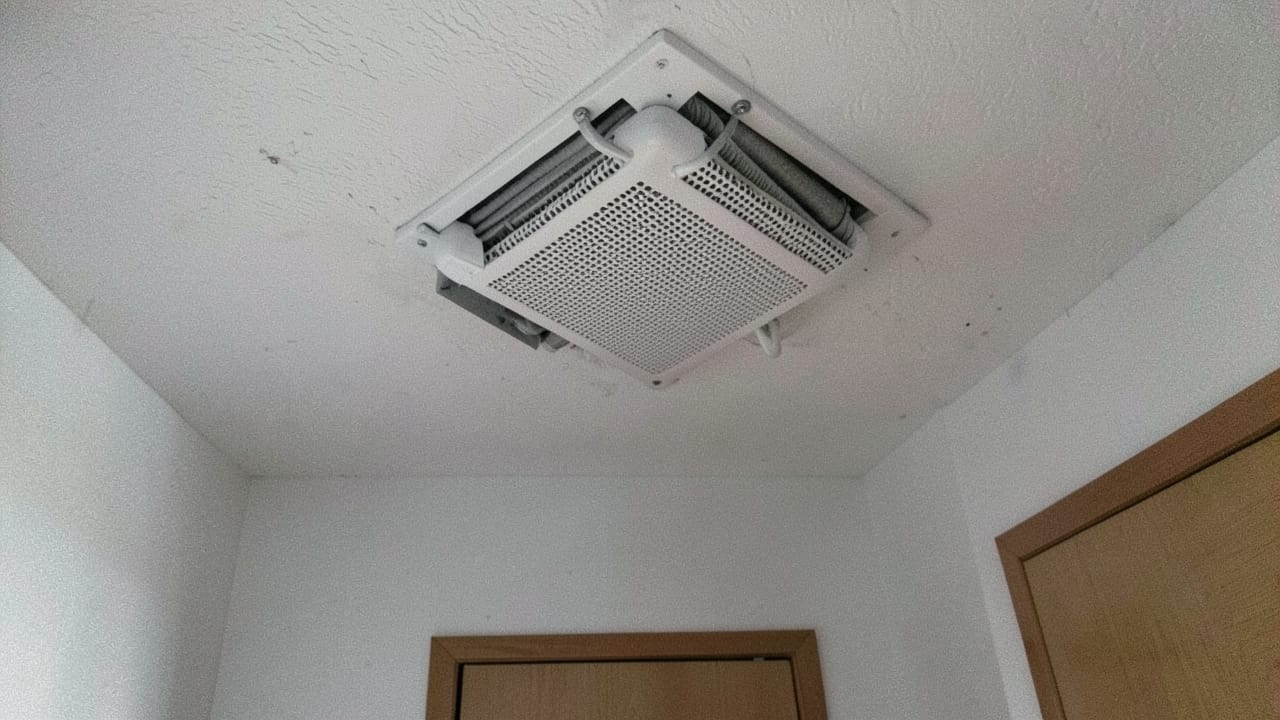
Closet Vent Cleaning in Sandy, UT
Professional cleaning of closet air vents to improve airflow and indoor air quality.
Learn More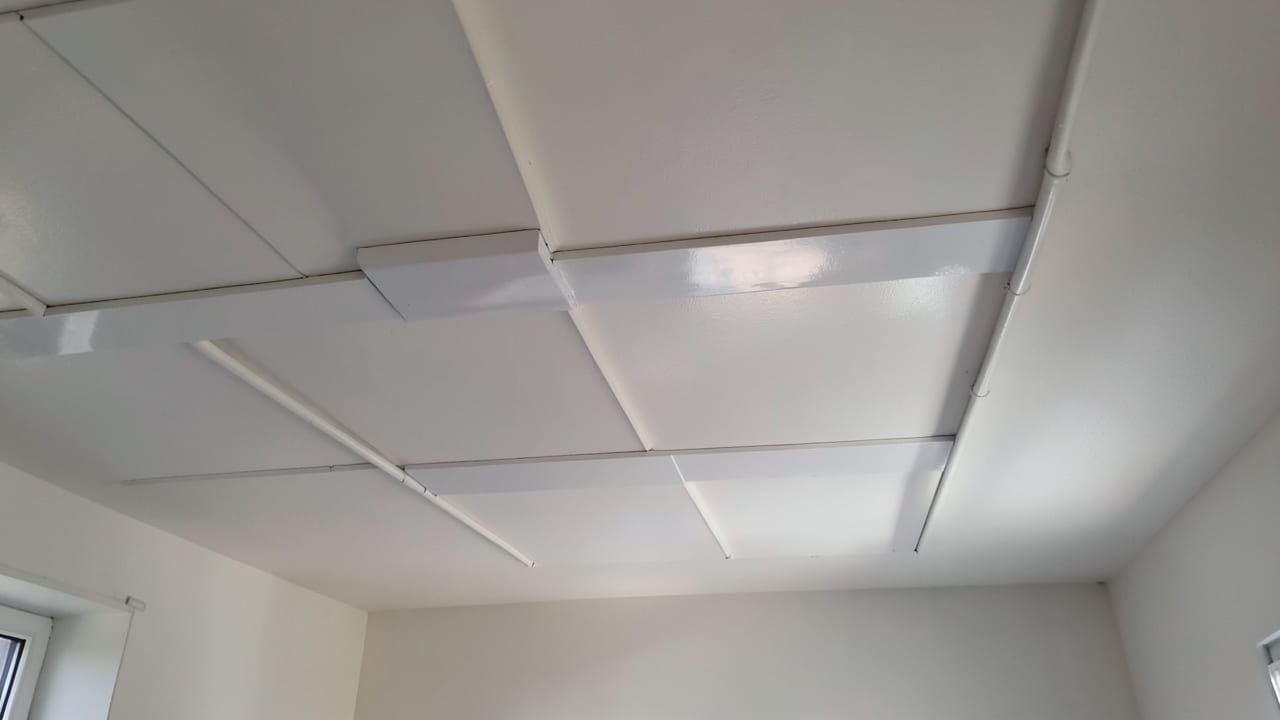
Apartment Duct Cleaning in Sandy, UT
Professional cleaning of apartment HVAC ducts to remove dust, debris, and allergens.
Learn More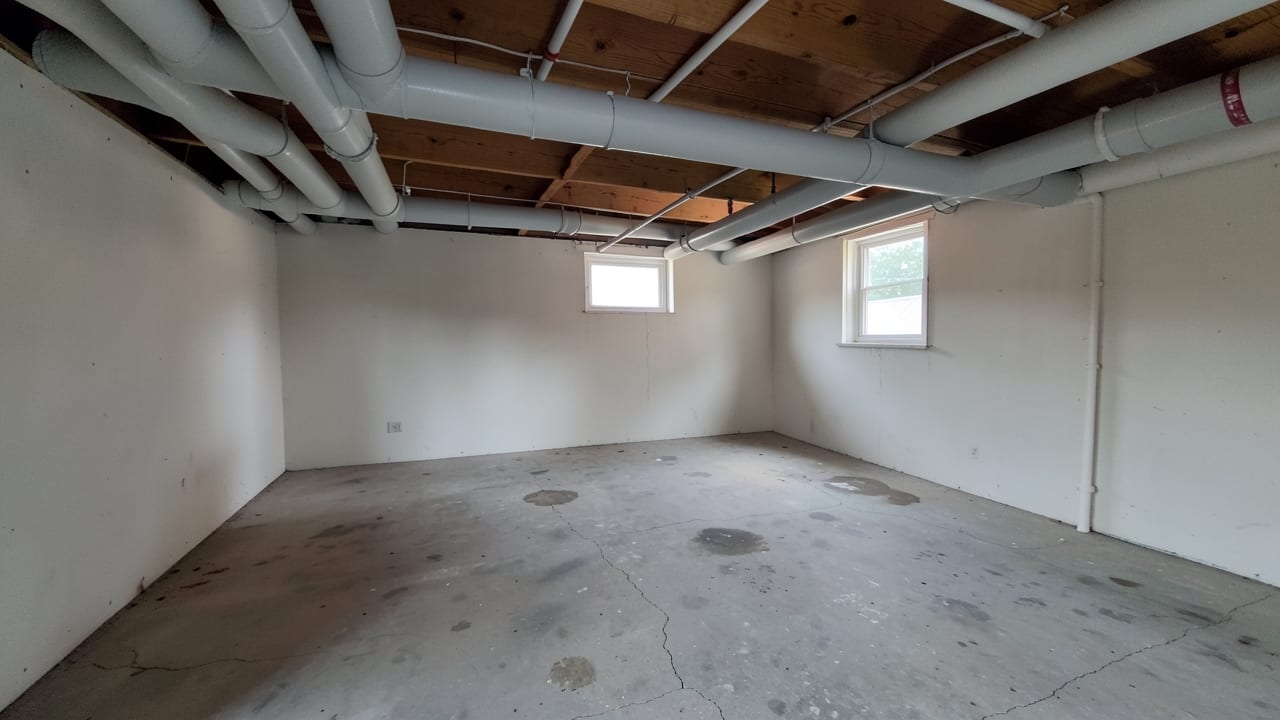
Rental Property Duct Cleaning in Sandy, UT
Professional cleaning of air ducts and HVAC systems in rental properties to improve air quality.
Learn More
School Duct Cleaning in Sandy, UT
Professional cleaning of school HVAC ductwork to improve indoor air quality and system efficiency.
Learn More
Medical Clinic Duct Cleaning in Sandy, UT
Professional cleaning of HVAC ducts in medical clinics to improve air quality and system efficiency.
Learn More
Water Damage Duct Restoration in Sandy, UT
Restoring air ducts damaged by water to prevent mold and improve HVAC efficiency.
Learn MoreCommon Questions About Air Duct Cleaning in Sandy
Everything you need to know about air duct cleaning services in Sandy
How much does Mold & Mildew Duct Treatment typically cost in Sandy, UT?
Do air ducts in a dusty climate like Sandy, UT need more frequent attention?
Does dirty ductwork actually cause allergy or respiratory symptoms?
Can air ducts be cleaned with a household vacuum instead of hiring it out?
Is duct cleaning ever covered by a home warranty or insurance policy?
What's the actual difference between duct cleaning and dryer vent cleaning?
Need Air Duct Cleaning in Sandy?
Get a written quote from our Sandy crew.
⏰ We answer your call • Serving all of Sandy and surrounding areas