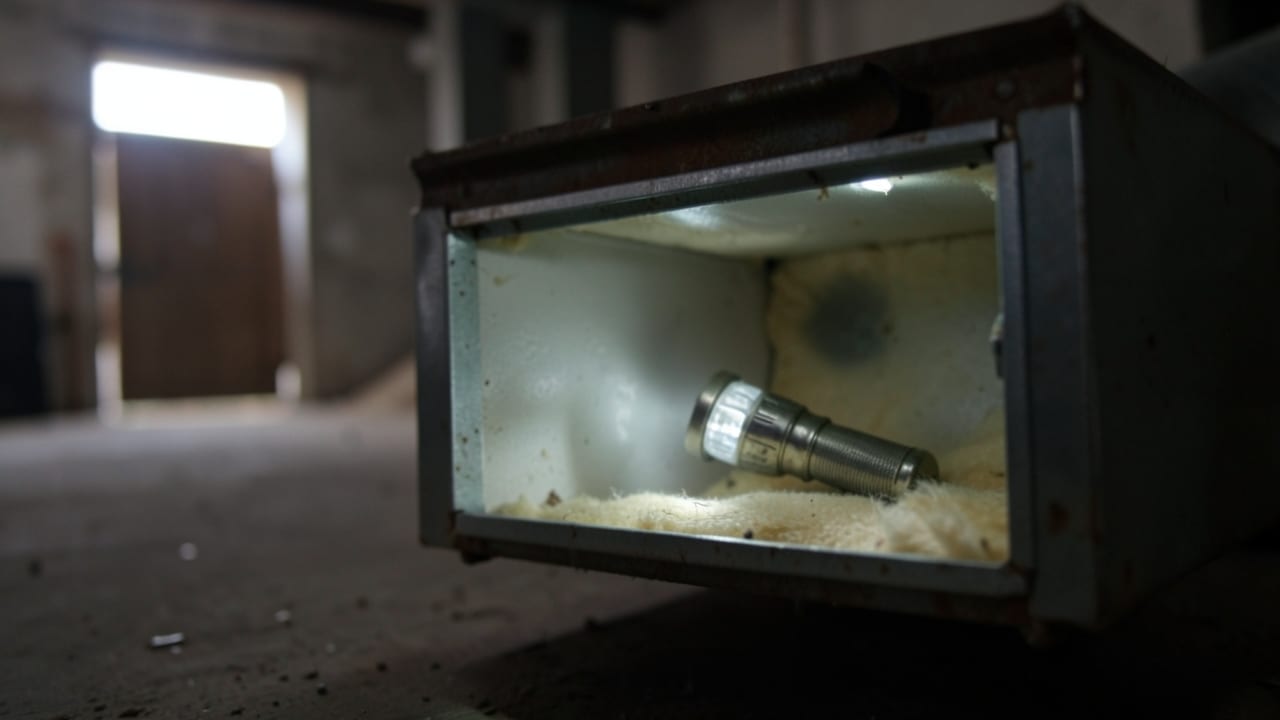
Ductwork Inspection
Professional inspection of air ducts and HVAC systems to assess cleanliness and functionality.
In Sandy, UT, a ductwork inspection evaluates your home’s HVAC system by checking for dust, mold, debris, or damage in the air ducts. This non-invasive process helps identify airflow issues, blockages, or indoor air quality concerns before deciding if cleaning or repairs are needed.
It’s especially useful after renovations, pest issues, or when comfort problems arise without clear causes.
We also handle Crawl Space Duct Cleaning and Metal Duct Cleaning for Sandy properties.
When an inspection makes sense
A ductwork inspection is most useful in specific situations rather than as a routine check. If you’re unsure when your ducts were last inspected, notice unusual dust buildup, or suspect pests or water leaks near the ducts, an inspection provides clarity.
It’s also valuable before buying or selling a home, as a written report offers objective documentation of the duct system’s condition.
Homeowners often schedule an inspection when they experience comfort issues like uneven heating or cooling, or if their HVAC system runs longer than expected. These signs may indicate airflow restrictions or debris buildup that an inspection can pinpoint.
Timing the inspection around known changes—such as a recent renovation or pest treatment—helps track improvements over time.
Signs You May Need an Inspection
- You’ve noticed dust accumulating near vents or registers faster than usual.
- Your HVAC system runs longer to maintain the same temperature, suggesting reduced airflow.
- There’s a musty smell or visible mold growth in or around the ductwork.
- You’ve recently completed a home renovation that could have introduced dust or debris into the ducts.
- Pests (rodents, insects, or birds) have been active near your HVAC system or ductwork.
- A room in your home stays significantly warmer or cooler than others, with no obvious cause.
What the inspection covers
A thorough ductwork inspection includes a visual and camera-based examination of accessible duct sections to document dust, mold, or damage. Airflow is measured at each supply and return register to compare against the system’s rated capacity, identifying potential blockages or disconnected duct runs.
If indoor air quality is a concern, air samples may be collected from supply air and room air for lab analysis.
The inspection concludes with a detailed written report summarizing findings, including buildup locations, airflow issues, and lab results if applicable. This report serves as a record to help you decide whether cleaning, repairs, or other actions are needed.
Unlike a cleaning service, an inspection does not disturb the ducts—it simply provides an accurate assessment of their current condition.
| Inspection Step | Purpose |
|---|---|
| Visual and Camera Inspection | Identifies dust, debris, mold, or physical damage in accessible duct sections. |
| Airflow Measurement at Registers | Compares actual airflow to the system’s rated capacity to detect blockages or disconnected ducts. |
| Air Sample Collection (if requested) | Evaluates indoor air quality by testing particulate or biological contaminants in supply and room air. |
| Written Report | Documents findings for your records, including buildup locations, airflow issues, and lab results. |
What affects pricing and timing
Pricing for ductwork inspections varies based on the scope of the assessment and the size of your home. Some providers charge a flat rate for a whole-house inspection, while others may base pricing on the number of registers or vents checked.
Clarify upfront whether the inspection includes main trunk lines, the HVAC unit’s coils, and blower components, as these can impact the total cost.
Timing also plays a role. Scheduling an inspection after a known change—such as a renovation, pest treatment, or HVAC system upgrade—provides a more meaningful snapshot of current conditions.
Keeping records of previous inspections, including photos and reports, helps track changes over time and ensures you’re making informed decisions about maintenance or repairs.
How ductwork inspection works
This process is designed to assess your duct system without disturbing it.
- 1Visual Assessment
A technician examines accessible duct sections and registers for visible dust, debris, or damage. This step helps identify obvious issues before moving to more detailed checks.
- 2Camera Inspection
A flexible camera scope is inserted into the ducts to capture images of internal conditions. This documents buildup, mold, or structural damage in areas not easily visible from the outside.
- 3Airflow Measurement
Airflow at each supply and return register is measured and compared to the system’s rated capacity. This step detects blockages, disconnected ducts, or undersized runs affecting performance.
- 4Air Sample Collection (Optional)
If indoor air quality is a concern, air samples are collected from supply air and room air. These are sent to an independent lab for analysis of particulates or biological contaminants.
- 5Written Report
Findings from the inspection—including buildup locations, airflow issues, and lab results—are compiled into a detailed report. This helps you understand the condition of your ducts and plan next steps.
Frequently asked questions
Can a ductwork inspection tell me if my ducts need cleaning?
Yes, an inspection identifies dust, debris, mold, or damage in your ducts, which helps determine if cleaning is necessary. However, it does not perform the cleaning itself—only assesses whether it’s needed based on visible and measurable conditions.
Will the inspection damage my HVAC system or ducts?
No, the inspection is non-invasive. A camera scope and airflow measurements do not disturb the ducts or system. The goal is to evaluate conditions without altering them.
How long does it take to get the inspection results?
Most inspections are completed in 1–2 hours, and you’ll receive a written report on-site or within 24 hours. If air samples are collected, lab results may take 3–7 days to return.
Do I need to be home during the inspection?
You don’t need to be present, but it’s helpful if you can show the technician where you’ve noticed issues, such as uneven heating or cooling. This ensures the inspection focuses on the areas of concern.
Where Sandy sits, and what the Census lists nearby
Sandy sits in Utah, and the closest places listed in the U.S. Census Gazetteer are White City (0.7 miles west), Granite (3.1 miles east), Cottonwood Heights (3.4 miles northeast), Midvale (3.7 miles northwest). Within 25 miles of Sandy the same source lists 57 distinct incorporated places and census-designated places.
Those figures matter for ductwork inspection because they are straight-line distances between Census coordinate points: road mileage between Sandy and White City runs longer than the 0.7 miles shown, which is why quotes for the same job differ between towns that look close together on a map.
Source: U.S. Census Bureau Gazetteer.
See Midvale, UT for more, or browse what's included in our Sandy service before booking for our complete lineup.
Ready to get started?
Talk to a local air duct cleaning pro in Sandy — get a written quote.
Other Air Duct Cleaning Services in Sandy
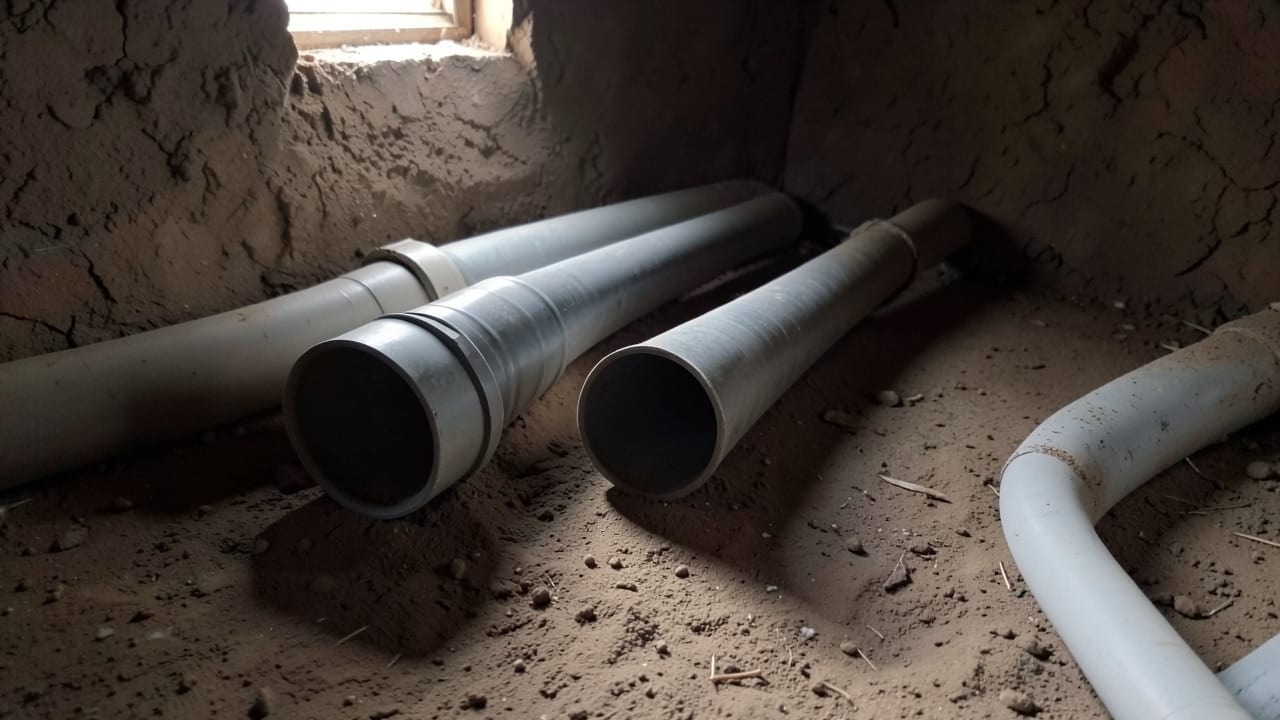
Crawl Space Duct Cleaning in Sandy, UT
Professional cleaning of ductwork in crawl spaces to improve airflow and indoor air quality.
Learn More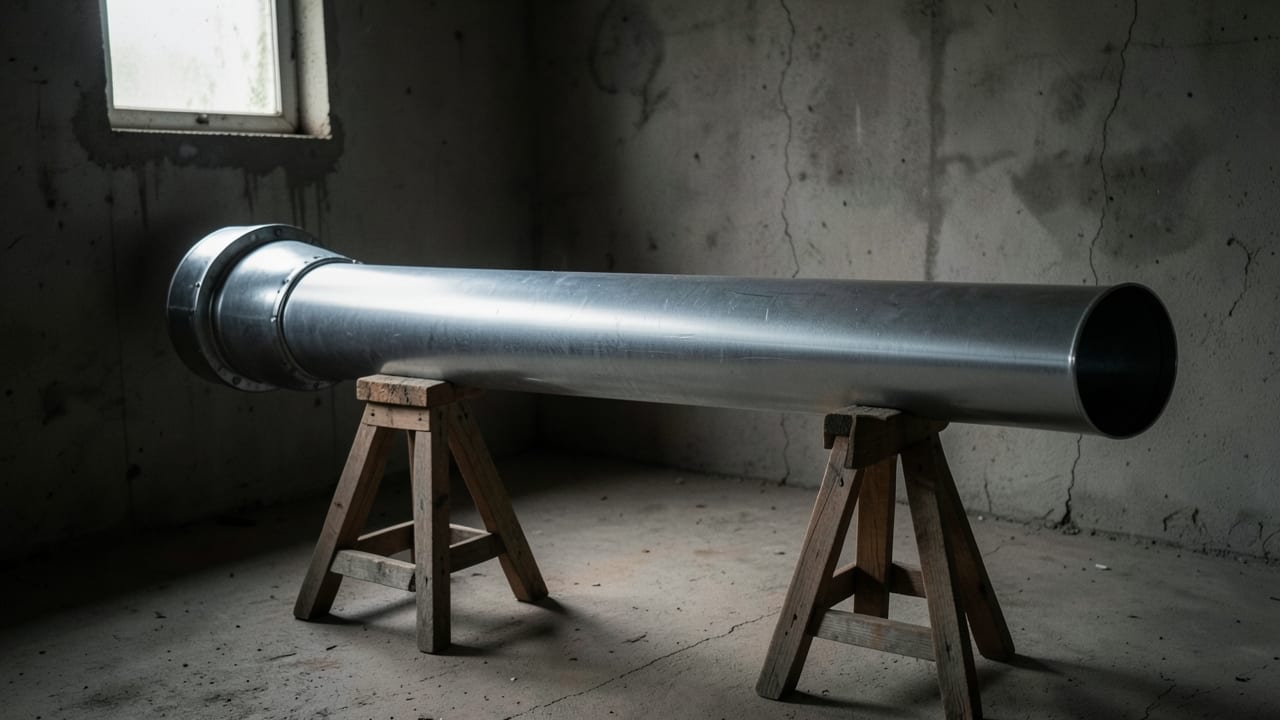
Metal Duct Cleaning in Sandy, UT
Professional cleaning of metal ductwork to remove dust, debris, and contaminants from HVAC systems.
Learn More
Fiberglass Duct Cleaning in Sandy, UT
Professional cleaning of fiberglass ductwork to remove dust, debris, and contaminants from HVAC systems.
Learn More
Ductwork Repair in Sandy, UT
Repairing or sealing damaged air ducts to restore HVAC efficiency and airflow.
Learn More
Ductwork Replacement in Sandy, UT
Replacing old or damaged air ducts to improve HVAC efficiency and indoor air quality.
Learn More
Air Handler Cleaning in Sandy, UT
Professional cleaning of air handler units to improve HVAC efficiency and indoor air quality.
Learn MoreCommon Questions About Air Duct Cleaning in Sandy
Everything you need to know about air duct cleaning services in Sandy
How much does Ductwork Inspection typically cost in Sandy, UT?
Do air ducts in a dusty climate like Sandy, UT need more frequent attention?
Can air ducts be cleaned with a household vacuum instead of hiring it out?
Is duct cleaning ever covered by a home warranty or insurance policy?
What's the actual difference between duct cleaning and dryer vent cleaning?
Does the cleaning process release dust into the rest of the home?
Need Air Duct Cleaning in Sandy?
Get a written quote from our Sandy crew.
⏰ We answer your call • Serving all of Sandy and surrounding areas