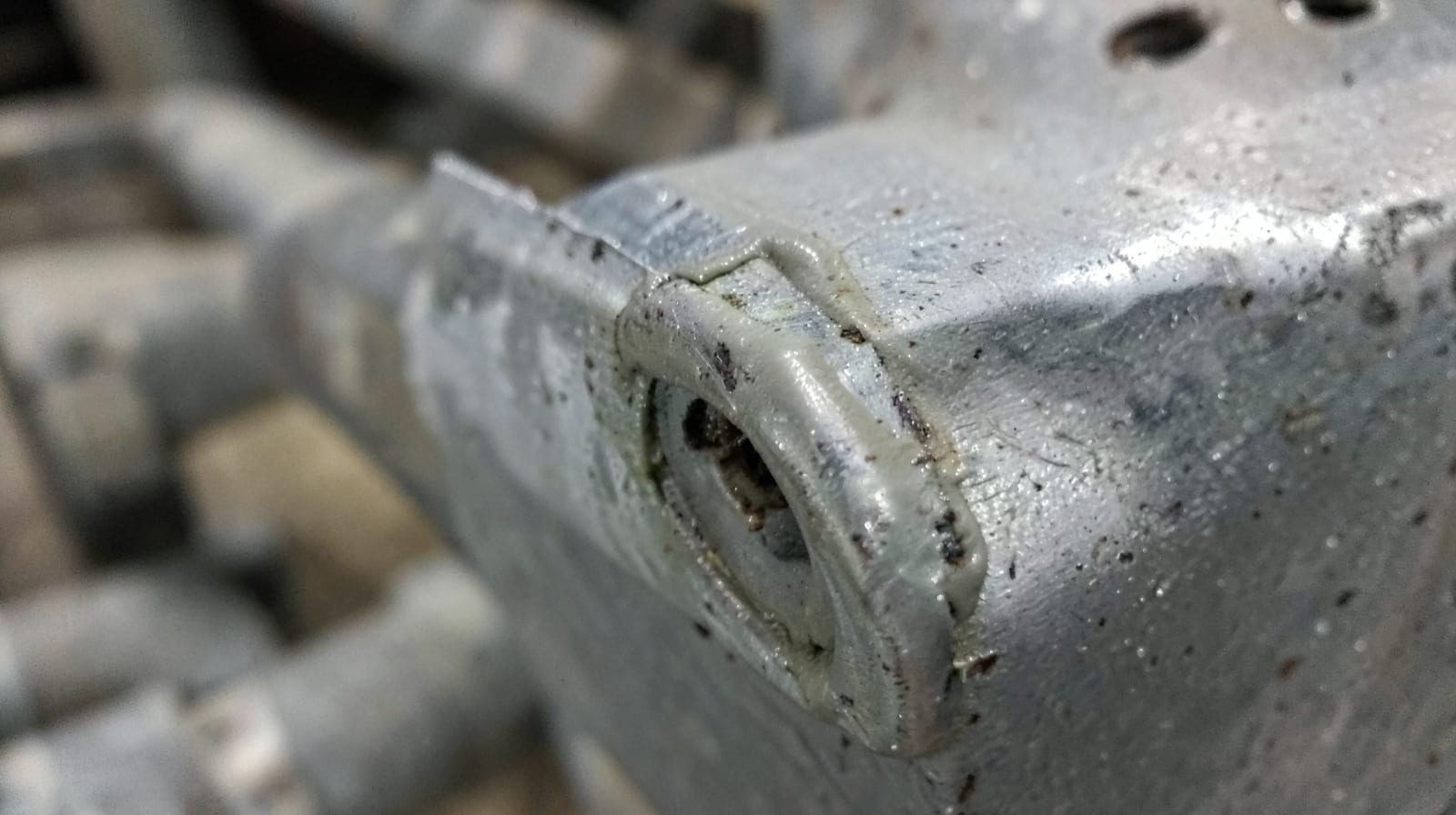
Duct Sealing
Duct sealing in Sandy, UT closes leaks in supply and return ductwork that waste conditioned air and strain the HVAC system.
In Sandy, UT, duct sealing closes leaks and gaps in your home’s ductwork to improve airflow efficiency. Unlike duct cleaning, which removes debris, sealing ensures conditioned air reaches your living spaces—saving energy and reducing costs in the desert climate.
Why Duct Sealing Matters in Sandy
Sandy’s hot, dry summers and cold winters make efficient HVAC performance critical. The U.S. Department of Energy reports that typical homes lose 20-30% of conditioned air to duct leaks, wasting energy and increasing utility bills.
We also handle Water Damage Duct Restoration and Fire Smoke Duct Deodorization for Sandy properties.
Leaks force your system to work harder, shortening its lifespan while driving up costs. Sealing accessible joints and seams with high-quality mastic or foil tape ensures air reaches its intended destination.
Signs Your Ducts Need Sealing
Not all duct issues are obvious, but certain red flags indicate leaks. Rooms that struggle to reach the thermostat setting, despite a running HVAC system, often point to airflow loss.
Common Signs of Duct Leakage
- Uneven heating or cooling between rooms
- Higher-than-expected utility bills in Sandy’s climate
- Visible gaps or disconnected sections in accessible ductwork
- Dust buildup near vent registers (from unfiltered air pulling in debris)
How Duct Sealing Works
Our technicians follow a proven process to identify and seal leaks efficiently.
- 1Inspection
We visually inspect accessible ductwork in attics, basements, or crawlspaces to locate leaks, gaps, or disconnected sections.
- 2Testing
A duct blaster test may be used to measure total leakage and confirm problem areas.
- 3Sealing
All accessible joints, seams, and connections are sealed with mastic sealant or HVAC-rated foil tape—never standard duct tape.
- 4Verification
A post-sealing test ensures leaks are resolved and airflow is optimized.
Frequently Asked Questions
How long does duct sealing take in Sandy?
Most homes are completed in 2-4 hours, depending on duct accessibility and the number of connections needing attention.
Will duct sealing reduce my energy bills?
Yes. Sealing leaks can improve HVAC efficiency by 20-30%, often lowering bills noticeably within the first few months.
Can I seal ducts myself?
While small gaps can be DIY-sealed with the right materials, professional technicians ensure all leaks are found and properly addressed. Improper sealing can worsen airflow issues.
Should I get duct cleaning and sealing together?
It’s common to pair the services. Cleaning removes debris first, then sealing ensures no new contaminants enter through leaks.
See Highland, UT for more, or browse every option available in Sandy on a single page for our complete lineup.
Ready to get started?
Talk to a local air duct cleaning pro in Sandy — get a written quote.
Other Air Duct Cleaning Services in Sandy
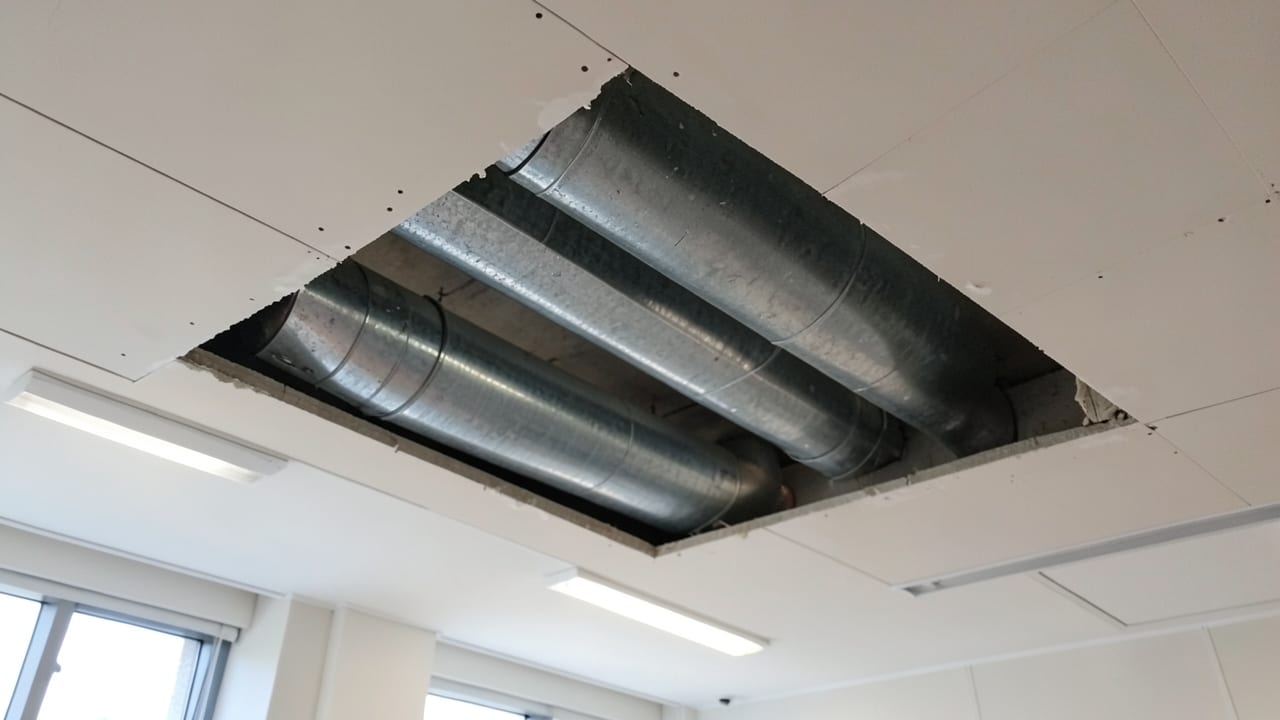
Water Damage Duct Restoration in Sandy, UT
Restoring air ducts damaged by water to prevent mold and improve HVAC efficiency.
Learn More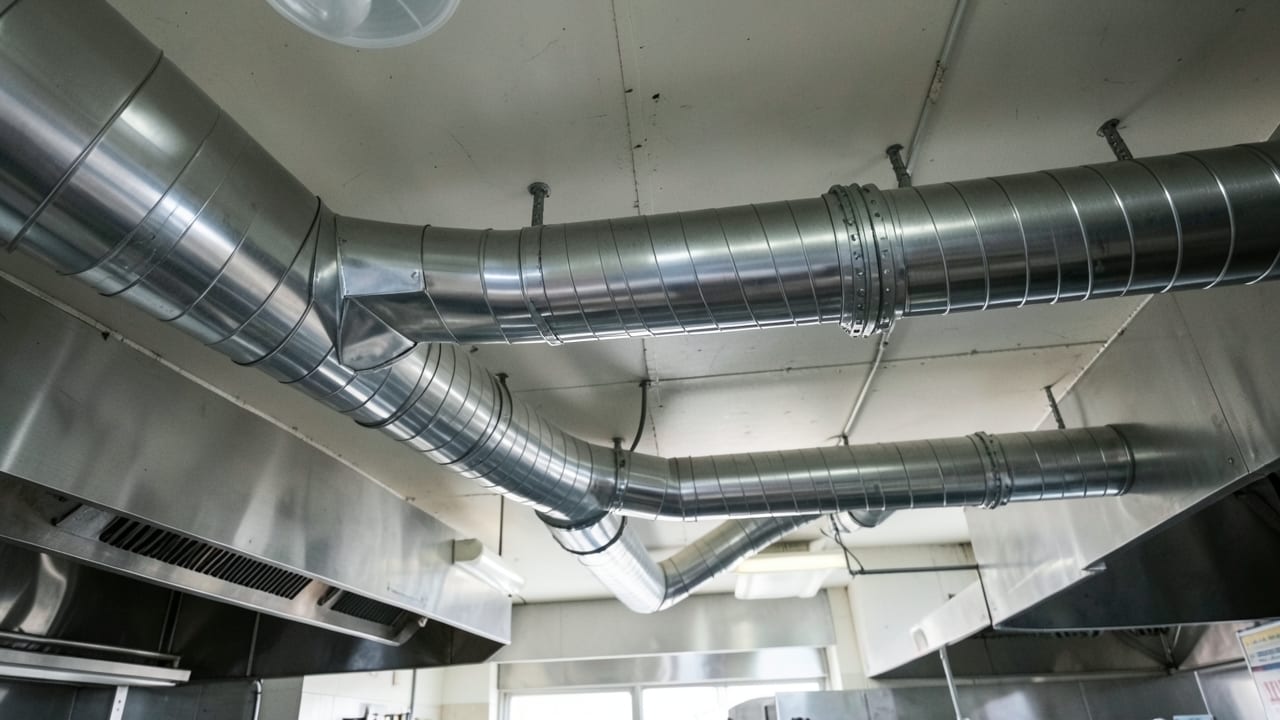
Fire Smoke Duct Deodorization in Sandy, UT
Removal of smoke residue and odors from HVAC ductwork after a fire.
Learn More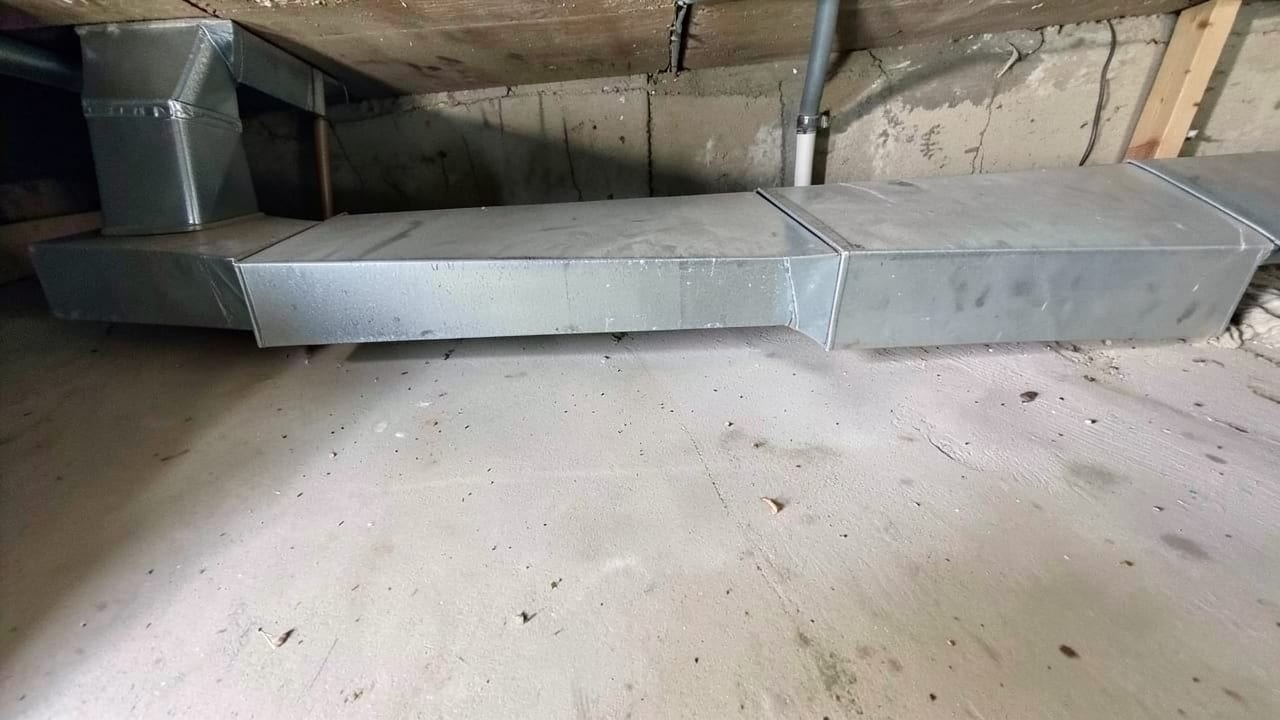
Pet Dander Duct Removal in Sandy, UT
Professional removal of pet dander and allergens from HVAC ductwork to improve indoor air quality.
Learn More
Spring Allergen Duct Purge in Sandy, UT
Professional cleaning of air ducts to remove spring allergens like pollen, dust, and dander.
Learn More
Move-In Duct Sanitization in Sandy, UT
Professional cleaning and sanitization of air ducts in a new home before move-in.
Learn More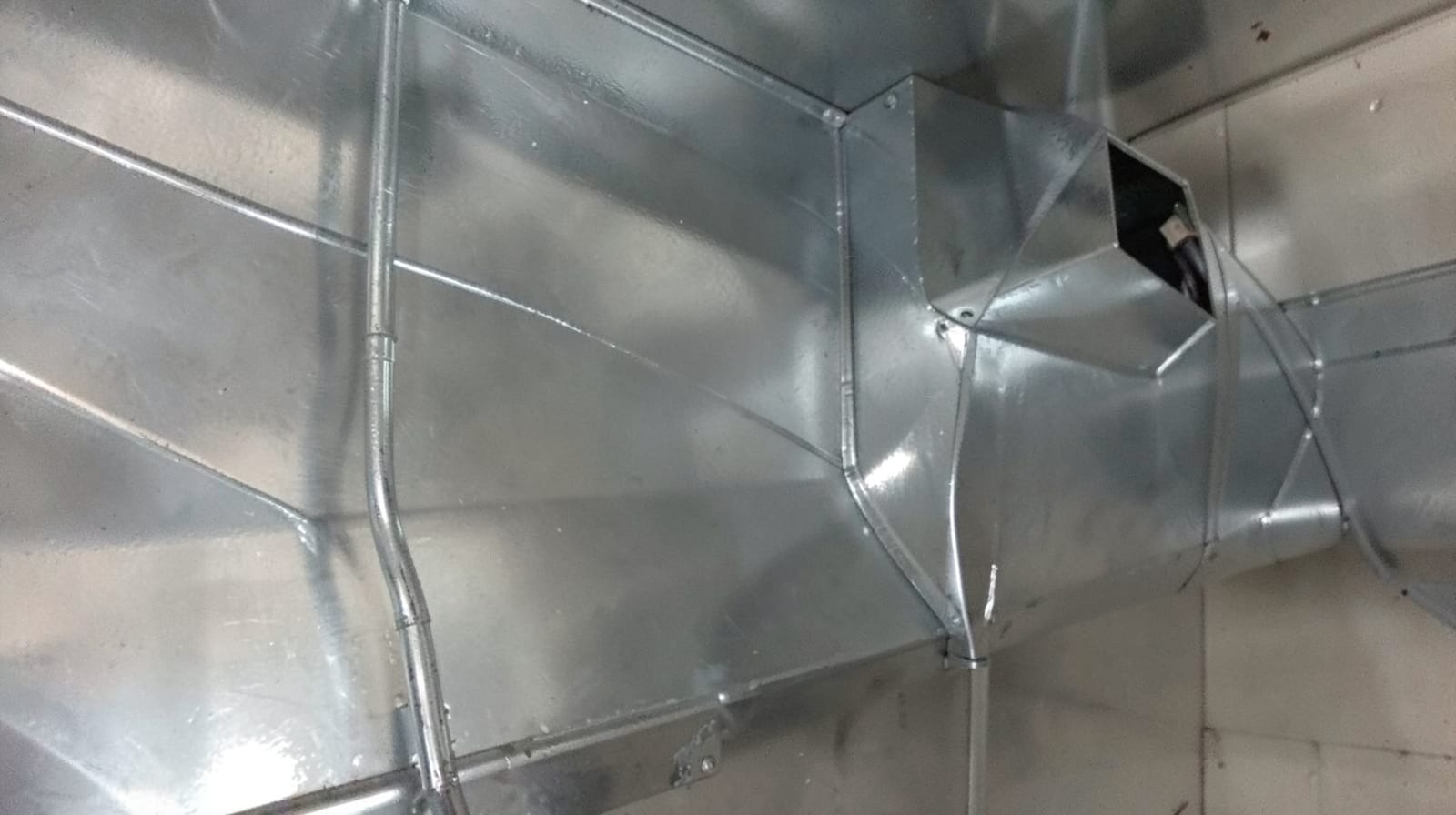
Air Duct Cleaning in Sandy, UT
Whole-system air duct cleaning in Sandy, UT — removes dust and sand from supply and return ductwork using NADCA-standard negative-air-pressure equipment.
Learn MoreCommon Questions About Air Duct Cleaning in Sandy
Everything you need to know about air duct cleaning services in Sandy
How much does Duct Sealing typically cost in Sandy, UT?
Do air ducts in a dusty climate like Sandy, UT need more frequent attention?
Can duct cleaning damage older or fragile ductwork?
Does duct cleaning include the coils and blower compartment, or only the ducts themselves?
What's the real difference between flat-rate and per-vent air duct pricing?
How often should air ducts actually be cleaned?
Need Air Duct Cleaning in Sandy?
Get a written quote from our Sandy crew.
⏰ We answer your call • Serving all of Sandy and surrounding areas