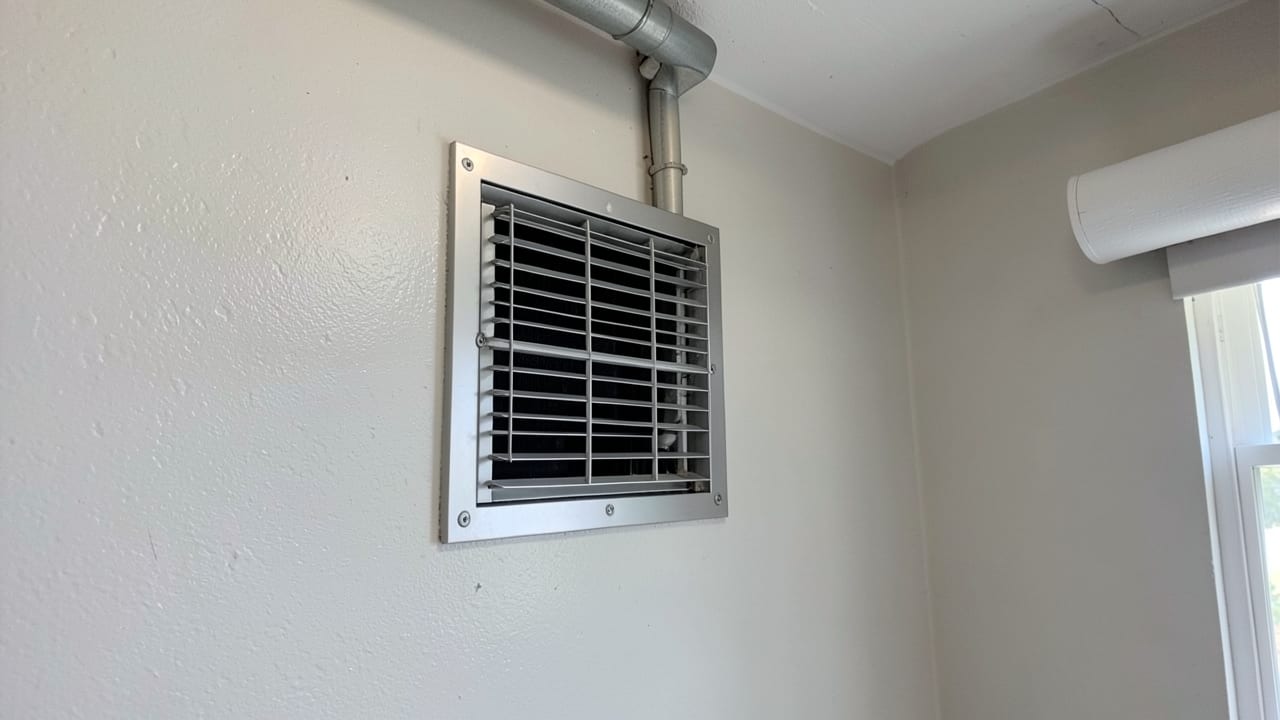
Laundry Room Vent Cleaning
Removal of lint and debris from laundry room vents to improve airflow and safety.
Laundry room vent cleaning in Sandy, UT focuses on removing lint, dust, and debris from dryer ductwork to improve airflow, reduce fire risks, and enhance dryer efficiency.
A thorough inspection and cleaning of the entire vent system—from the dryer to the exterior cap—helps prevent common issues like slow drying, overheating, and potential hazards linked to lint buildup.
We also handle Spring Allergen Duct Purge and Move-In Duct Sanitization for Sandy properties.
Why your dryer vent needs cleaning
Lint and debris accumulate in dryer vents over time, restricting airflow and forcing your dryer to work harder. This buildup can lead to longer drying cycles, higher energy use, and even overheating. In severe cases, it poses a fire hazard, as lint is highly flammable when compacted.
Signs your vent needs cleaning include clothes taking longer to dry, a hot dryer or laundry room during cycles, or a burning smell during operation. Outside, lint buildup around the exterior vent cap or a flap that doesn’t open freely are clear indicators the system isn’t functioning as it should.
Common Signs Your Dryer Vent Needs Cleaning
- Clothes require an extra drying cycle despite using the same load size.
- The dryer or laundry room feels unusually hot during operation.
- A burning or hot-dust smell occurs while the dryer runs.
- Lint is visibly collecting around the exterior vent cap or flap.
- The dryer vent flap doesn’t open or close freely during a cycle.
How often should you clean your dryer vent?
The frequency of dryer vent cleaning depends on usage habits and vent design. Wiping the lint trap clean before *every* load catches most lint before it reaches the vent, significantly slowing buildup. Shorter, straighter vent runs with fewer bends collect lint more slowly than longer or convoluted lines.
Heavy-lint loads like towels or blankets accelerate buildup, so spacing these out or cleaning the trap more often around them helps maintain airflow. A seasonal check of the exterior vent flap ensures it opens and closes properly, preventing pests or moisture from entering the system.
What affects pricing for dryer vent cleaning?
Pricing for laundry room vent cleaning varies based on the scope of work, vent length, and any additional issues found during inspection. A standard cleaning typically covers lint removal from the vent run, inspection of the exterior cap, and reassembly with proper ducting where possible.
Factors like the vent’s length, number of bends, or the need for duct replacement can influence the total cost. Always confirm whether the quote includes a full inspection, airflow testing, and whether the service covers the entire vent system or just accessible sections.
| Factor | Impact on Pricing |
|---|---|
| Vent length and bends | Longer runs or multiple bends increase labor time. |
| Duct material replacement | Upgrading to rigid metal duct may add cost. |
| Exterior cap inspection | Checking for proper flap function is standard. |
| Additional debris or blockages | Severe buildup may require extra time. |
How laundry room vent cleaning works
A thorough dryer vent cleaning includes inspecting, cleaning, and reassembling the vent system for optimal airflow.
- 1Vent Run Inspection
The dryer is disconnected, and the entire vent run—from the exhaust port to the exterior cap—is inspected for length, bends, and any crushed or disconnected sections. Lint accumulates fastest at bends and in longer runs.
- 2Lint Removal
A rotary brush matched to the duct diameter is used to dislodge compacted lint from both ends of the vent, including elbows where lint tends to collect. A vacuum alone may not reach deeply embedded debris.
- 3Exterior Cap Check
The exterior vent cap and damper flap are inspected to ensure the flap opens freely during operation and closes fully afterward. A stuck-open flap lets pests and outside air in, while a closed flap restricts airflow.
- 4Reconnection and Clearance
The dryer is reconnected using rigid or semi-rigid metal ducting, if possible, to improve airflow and reduce lint buildup. Flexible foil or plastic ducting is avoided where alternatives exist.
- 5Airflow Test
A final airflow check at the exterior cap confirms exhaust is moving freely. This step ensures the vent is clear and functioning as intended, addressing the root cause of restricted airflow.
Frequently asked questions
How do I know if my dryer vent needs cleaning?
Watch for clothes taking longer to dry, a hot dryer or laundry room during cycles, or a burning smell while the dryer runs. Visible lint around the exterior vent cap or a flap that doesn’t open freely are also strong signs.
Can I clean the dryer vent myself, or should I hire a professional?
While some homeowners attempt DIY cleaning, a professional ensures the entire vent run—including hard-to-reach sections and the exterior cap—is thoroughly inspected and cleaned. They also check for proper ducting and airflow, which DIY methods may overlook.
How often should I clean my dryer vent if I don’t see lint buildup?
Even without visible lint, cleaning the vent every 1–2 years helps maintain airflow and prevent hidden buildup. Regularly cleaning the lint trap before every load reduces how often the vent needs deep cleaning.
What’s the difference between dryer vent cleaning and HVAC duct cleaning?
Dryer vent cleaning focuses specifically on the ductwork connected to your dryer, removing lint and debris to improve airflow and reduce fire risks. HVAC duct cleaning addresses the entire heating and cooling system, including supply and return vents, coils, and blower components.
Where Sandy sits, and what the Census lists nearby
Sandy sits in Utah, and the closest places listed in the U.S. Census Gazetteer are White City (0.7 miles west), Granite (3.1 miles east), Cottonwood Heights (3.4 miles northeast), Midvale (3.7 miles northwest). Within 25 miles of Sandy the same source lists 57 distinct incorporated places and census-designated places.
Those figures matter for laundry room vent cleaning because they are straight-line distances between Census coordinate points: road mileage between Sandy and White City runs longer than the 0.7 miles shown, which is why quotes for the same job differ between towns that look close together on a map.
Source: U.S. Census Bureau Gazetteer.
See South Salt Lake, UT for more, or check out the rest of our Sandy lineup on a single page for our complete lineup.
Ready to get started?
Talk to a local air duct cleaning pro in Sandy — get a written quote.
Other Air Duct Cleaning Services in Sandy
Spring Allergen Duct Purge in Sandy, UT
Professional cleaning of air ducts to remove spring allergens like pollen, dust, and dander.
Learn More
Move-In Duct Sanitization in Sandy, UT
Professional cleaning and sanitization of air ducts in a new home before move-in.
Learn More
Air Duct Cleaning in Sandy, UT
Whole-system air duct cleaning in Sandy, UT — removes dust and sand from supply and return ductwork using NADCA-standard negative-air-pressure equipment.
Learn More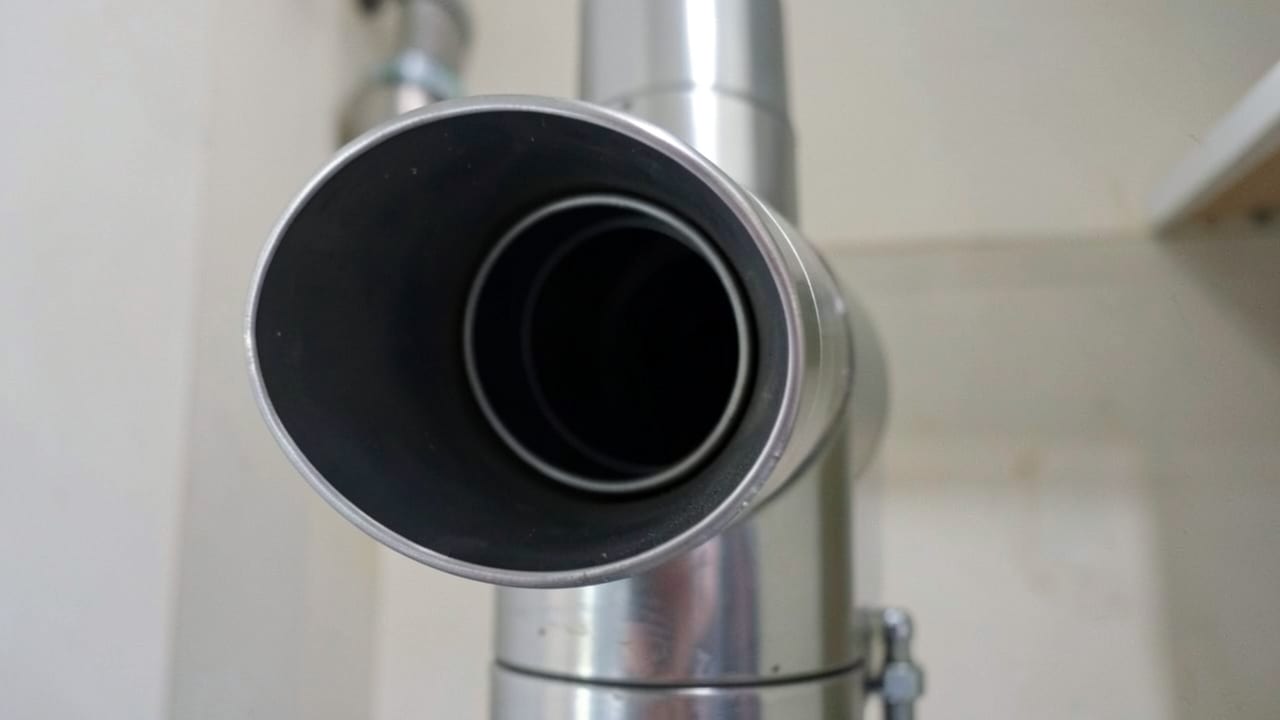
Dryer Vent Cleaning in Sandy, UT
Dryer vent cleaning in Sandy, UT clears lint buildup that restricts airflow and is a leading cause of house fires.
Learn More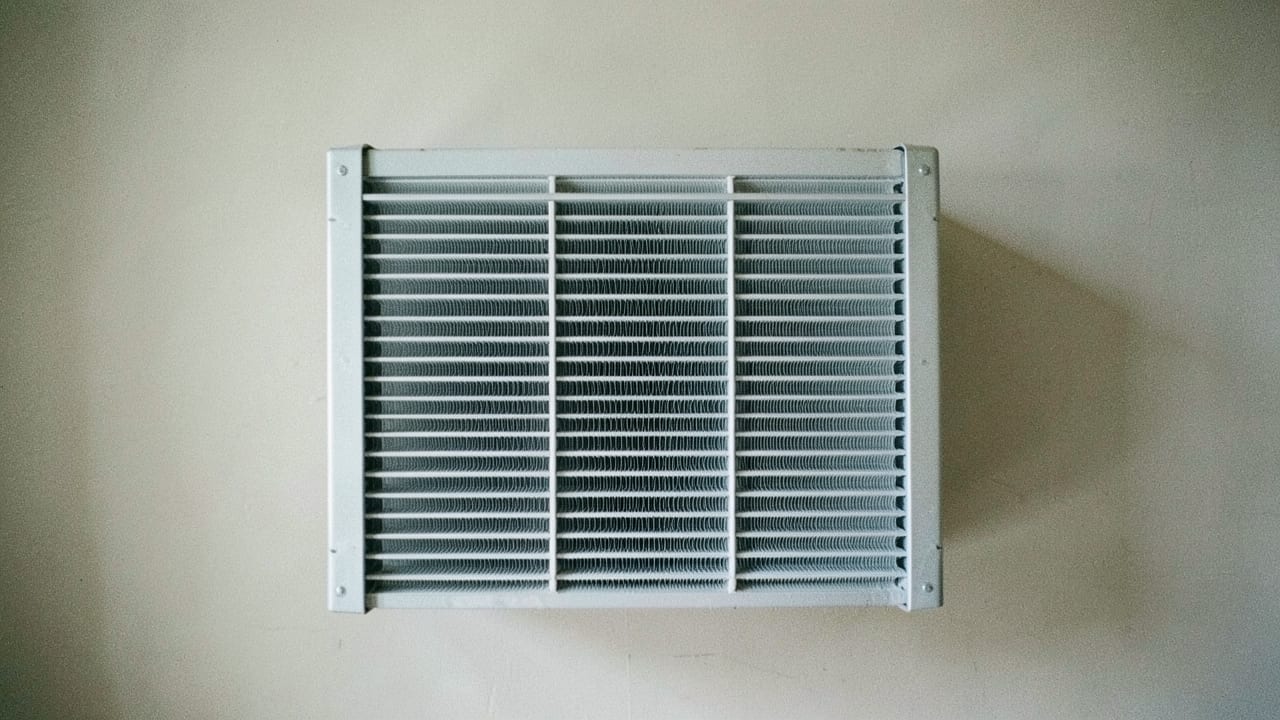
HVAC Coil Cleaning in Sandy, UT
Evaporator and condenser coil cleaning in Sandy, UT restores HVAC efficiency lost to dirty coils.
Learn More
Mold & Mildew Duct Treatment in Sandy, UT
Mold and mildew treatment for HVAC ductwork in Sandy, UT — antimicrobial application after a full duct cleaning.
Learn MoreCommon Questions About Air Duct Cleaning in Sandy
Everything you need to know about air duct cleaning services in Sandy
How much does Laundry Room Vent Cleaning typically cost in Sandy, UT?
Do air ducts in a dusty climate like Sandy, UT need more frequent attention?
Does the cleaning process release dust into the rest of the home?
How long does a typical air duct cleaning appointment take?
Can duct cleaning damage older or fragile ductwork?
Does duct cleaning include the coils and blower compartment, or only the ducts themselves?
Need Air Duct Cleaning in Sandy?
Get a written quote from our Sandy crew.
⏰ We answer your call • Serving all of Sandy and surrounding areas