Why a Pre-Inspection Is Critical Before Air Duct Cleaning in Sandy
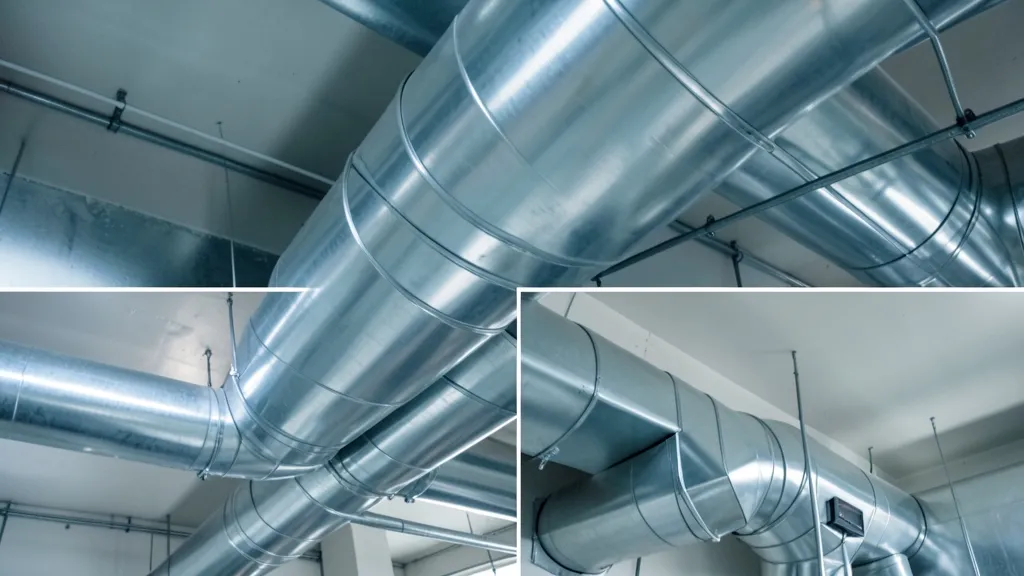
Skipping a pre-inspection before air duct cleaning is like treating a symptom without diagnosing the disease. In Sandy, where seasonal temperature swings and dry air push HVAC systems to their limits, a thorough assessment ensures we address the root causes—not just the visible dust. Our team identifies hidden issues that generic cleanings miss.
What a Professional Pre-Inspection Actually Involves
We start with a visual and mechanical assessment of your entire ductwork system, from supply and return vents to the main trunk lines. This isn’t a cursory glance—it’s a methodical check for blockages, leaks, or damaged sections that could undermine cleaning efforts.
Using specialized tools like borescopes and airflow meters, we inspect hard-to-reach areas for mold, excessive debris, or pest intrusions. These issues often lurk in flex duct bends or behind insulation, invisible without the right equipment.
Common Problems a Pre-Inspection Uncovers in Local Homes
Sandy’s arid climate and frequent construction mean dust and drywall particles often clog ducts prematurely. We frequently find these in newer builds in areas like Draper or South Jordan, where rapid development stirs up fine debris.
Older homes, especially in Cottonwood Heights or Murray, may reveal deteriorated insulation or rusted sheet metal ducts. These compromise airflow and indoor air quality, requiring repairs before cleaning can be effective.
| Issue | Common in | Impact if Ignored |
|---|---|---|
| Excessive dust/debris buildup | Newer homes, post-renovation | Reduced airflow, strain on HVAC |
| Mold or mildew growth | Homes with humidity imbalances | Poor IAQ, potential health risks |
| Damaged or disconnected ducts | Older homes, DIY repairs | Energy loss, uneven heating/cooling |
| Pest nests or droppings | Attics, crawl spaces | Contamination, odor, allergens |
| Collapsed flex duct | Poorly installed systems | Severe airflow restriction |
Why Cleaning Without Inspection Can Backfire
Blasting high-pressure air through compromised ducts can dislodge mold spores or asbestos (in pre-1980s homes) and spread them throughout your living space. A pre-inspection flags these hazards so we can remediate them safely.
Without knowing the system’s condition, aggressive cleaning can also detach loosely connected ducts or damage fragile insulation. This turns a routine service into a costly repair job.
Never assume your ducts are asbestos-free. Homes built before the 1980s in Midvale or older Sandy neighborhoods may require testing before any cleaning begins.
How Pre-Inspections Improve Cleaning Efficiency
Identifying heavy debris zones lets us focus our tools—like rotating brushes or negative air machines—where they’re needed most. This targeted approach saves time and ensures a deeper clean.
We also check your HVAC coils and blower motor. Contaminated coils reduce system efficiency by up to 30%, and a pre-inspection helps us determine if coil cleaning or sanitization should be bundled with your duct service.
Indoor Air Quality: The Hidden Benefit of Pre-Inspection
Dust, pet dander, and pollen aren’t the only culprits. In Sandy, wildfire smoke from summer seasons can leave a fine, sticky residue in ducts that standard cleaning might not remove without pre-treatment.
A pre-inspection helps us recommend add-ons like UV light sanitization or mold treatment for homes with recurring IAQ issues. These are especially valuable in humid basements or after water damage.
If anyone in your household has allergies or asthma, ask about indoor air quality testing alongside your pre-inspection. It pinpoints specific contaminants.
Pre-Inspection for Commercial Ductwork: A Different Beast
Commercial systems in Sandy—whether in office parks or retail spaces—often have larger, more complex ductwork with unique challenges like grease buildup (in restaurants) or excessive lint (in dryers).
These require industrial-grade inspections, including static pressure tests and thermal imaging to detect leaks. Skipping this step can lead to non-compliance with local codes.
What to Expect After the Inspection
We provide a detailed report with photos and recommendations, prioritizing urgent issues like mold or structural damage. This transparency lets you make informed decisions about cleaning, repairs, or upgrades.
For homes with minor debris, we might suggest a basic cleaning. For others, we’ll propose a full-service plan that could include dryer vent cleaning, coil sanitization, or even air filter upgrades for better long-term IAQ.
Your Post-Inspection Next Steps
- Review the inspection report and photos
- Address any safety hazards (e.g., mold, asbestos) first
- Schedule cleaning or repairs based on priority
- Consider IAQ testing if allergies are a concern
- Ask about maintenance plans to extend duct cleanliness
How to Prepare for a Professional Duct Pre-Inspection
A little prep ensures our team can access and assess your system thoroughly.
- 1Clear the Area
Move furniture, rugs, or stored items away from vents and the HVAC unit. This gives us unobstructed access to all components.
- 2Secure Pets
Keep pets in a separate room. Open ducts and unfamiliar noises can stress animals—and distract our technicians.
- 3Provide Access
Unlock attics, basements, or crawl spaces where ductwork runs. If you’ve had recent renovations, let us know so we can check for construction debris.
- 4Share Your Concerns
Note any odd smells, uneven heating/cooling, or allergy flare-ups. This helps us focus the inspection on potential problem areas.
- 5Check Your System’s Age
Have your HVAC’s age and maintenance history ready. Older systems or those with frequent filter clogs often need extra attention.
Frequently Asked Questions
How long does a pre-inspection take for a typical Sandy home?
Most residential pre-inspections take 30 to 60 minutes, depending on the size of your home and ductwork complexity. Larger or commercial properties may require additional time for thorough testing.
Can a pre-inspection detect carbon monoxide leaks?
While we focus on ductwork, we often spot signs of poor ventilation or backdrafting that could contribute to CO risks. For a full CO safety check, we recommend a dedicated HVAC or gas line inspection.
Is a pre-inspection necessary if my ducts were cleaned recently?
Yes—especially if you’ve noticed recurring dust, odd odors, or reduced airflow. Poor-quality cleanings or underlying issues like leaks can make problems return quickly. An inspection identifies what was missed.
Do you offer pre-inspections for dryer vents too?
Absolutely. Dryer vent inspections are critical in Sandy, where lint buildup can lead to fire hazards. We often bundle these with duct pre-inspections for a whole-home assessment.
What’s the difference between a pre-inspection and indoor air quality testing?
A pre-inspection focuses on the physical condition of your ductwork and HVAC system. IAQ testing measures airborne contaminants like mold spores, VOCs, or allergens. We often recommend both for a complete picture.
Will my home’s age affect the pre-inspection process?
Yes. Older homes, particularly in areas like Murray or Midvale, may have ductwork made of materials or designs that require special handling. We adapt our inspection methods to account for these factors.