How to Choose the Right Air Filter for Your Home in Sandy
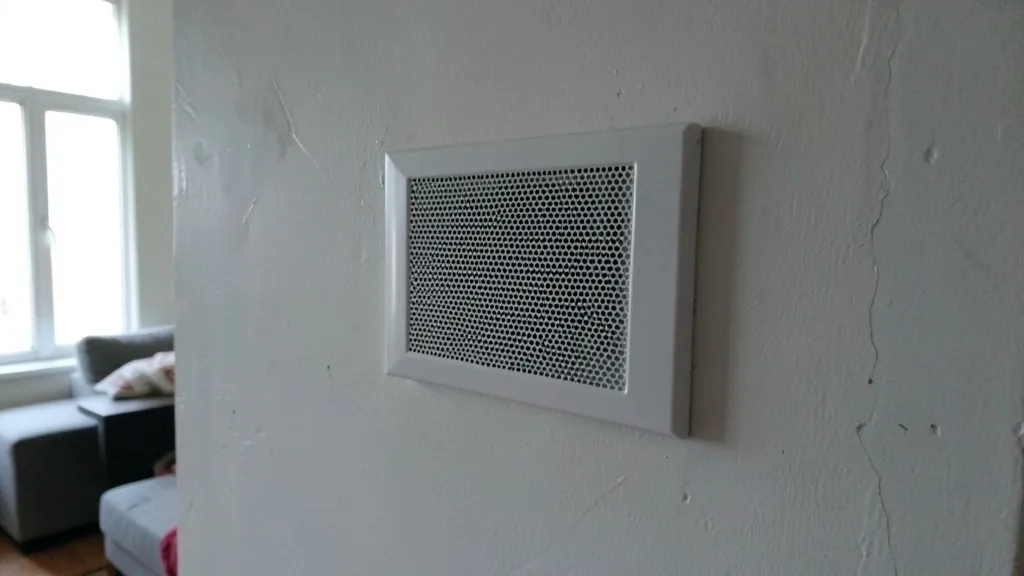
The right air filter can make a world of difference in your home’s air quality and HVAC efficiency. With Sandy’s dry climate and seasonal allergens, choosing the correct filter isn’t just about trapping dust—it’s about balancing protection, airflow, and system longevity. We’ll walk you through what actually matters.
Why Air Filter Choice Matters for Indoor Air Quality
Your HVAC system circulates air through your home multiple times a day. A low-quality filter lets pollen, dust mites, and even mold spores recirculate, worsening allergies and respiratory issues common in our area.
In Sandy, wildfire smoke from nearby valleys and construction dust can also infiltrate ductwork. A proper filter acts as the first line of defense, but only if it’s matched to your system’s needs.
Understanding MERV Ratings: What the Numbers Mean
MERV (Minimum Efficiency Reporting Value) rates a filter’s ability to capture particles. The scale runs from 1 to 20, with higher numbers trapping finer contaminants like bacteria and tobacco smoke.
For most homes in Sandy, a MERV 8–13 filter strikes the right balance. It captures common irritants without restricting airflow in residential HVAC systems.
| MERV Rating | Particles Captured | Typical Use Case |
|---|---|---|
| 1–4 | Pollen, dust mites, carpet fibers | Basic protection for low-traffic homes |
| 5–8 | Mold spores, pet dander, dust | Standard residential use |
| 9–12 | Legionella, lead dust, fine dust | Allergy sufferers, moderate air quality needs |
| 13–16 | Bacteria, tobacco smoke, sneeze droplets | Superior residential or light commercial |
| 17–20 | Viruses, carbon dust, ultra-fine particles | Hospitals, cleanrooms, or specialized systems |
Filter Materials: Which One Fits Your Needs?
Fiberglass filters are inexpensive but only catch large particles. They’re best for temporary use or vacation homes in areas like Draper or Cottonwood Heights where systems run less frequently.
Pleated filters, made of polyester or cotton, offer better efficiency with a MERV 5–13 range. Their folded design increases surface area, improving airflow while trapping smaller particles.
Electrostatic filters use static to attract particles. Washable versions reduce waste but require regular cleaning to maintain performance—ideal for eco-conscious homeowners.
High-MERV filters (14+) can restrict airflow in standard residential HVAC systems, forcing your unit to work harder. Always check your system’s specifications before upgrading.
Size Matters: Getting the Dimensions Right
Filters come in standard sizes (e.g., 16x20x1, 20x25x4), but custom sizes exist for older systems. Measure your existing filter or the slot in your return vent—never guess, as improper fit lets unfiltered air bypass the filter.
Thicker filters (4–5 inches) last longer and often have higher MERV ratings. If your system has the space, upgrading to a deeper filter can improve efficiency and reduce replacement frequency.
A filter that’s too dense or too small can cause your HVAC to overheat or fail. If you notice reduced airflow or strange noises, check the filter first.
Sandy-Specific Considerations: Climate and Local Pollutants
Our dry, windy climate kicks up dust and pollen, especially in spring and fall. A MERV 10–12 filter helps during these peak seasons without overloading your system.
If you live near construction zones in Midvale or South Jordan, opt for a higher MERV (11–13) to catch fine particulate matter. Pair this with regular air duct cleaning to prevent buildup in your vents.
For homes with pets or smokers, electrostatic or HEPA-style filters can be worth the investment. Just ensure your HVAC can handle the increased resistance.
Filter Lifespan: When to Replace It
Most disposable filters last 1–3 months, but this varies by type and household conditions. Pet owners or allergy sufferers may need to replace filters every 4–6 weeks.
Permanent filters require monthly cleaning. Mark your calendar—neglecting this leads to reduced efficiency, higher energy bills, and potential HVAC damage.
Related Services to Maximize Air Quality
Even the best filter can’t compensate for dirty ductwork. Over time, dust and debris accumulate in your vents, reducing airflow and indoor air quality. Professional air duct cleaning removes these contaminants at the source.
Dryer vent cleaning is another often-overlooked service. Lint buildup not only poses a fire hazard but also restricts airflow, forcing your dryer to work harder. We recommend annual inspections, especially in older homes.
For persistent issues like mold or musty odors, consider HVAC coil cleaning or UV light sanitization. These treatments target contaminants that filters alone can’t address.
How to Choose the Right Air Filter for Your HVAC System
Follow these steps to pick a filter that balances air quality, system compatibility, and longevity.
- 1Check Your Current Filter
Remove the existing filter and note its size (printed on the frame) and MERV rating. If it’s not labeled, measure the dimensions yourself.
- 2Assess Your Air Quality Needs
Consider allergies, pets, or local pollutants. For mild concerns, MERV 8–10 suffices. For severe allergies or high pollution, aim for MERV 11–13.
- 3Verify HVAC Compatibility
Consult your HVAC manual or a professional to confirm the maximum MERV rating your system can handle. Higher isn’t always better if it restricts airflow.
- 4Choose the Material
Select fiberglass for basic needs, pleated for better efficiency, or electrostatic for washable convenience. Avoid HEPA unless your system is designed for it.
- 5Buy the Right Size
Purchase a filter that matches your measurements exactly. If upgrading to a thicker filter, ensure your system’s filter slot can accommodate it.
- 6Set a Replacement Schedule
Mark your calendar for regular replacements or cleanings based on the filter type and your household’s needs. Consistency is key to maintaining air quality.
Frequently Asked Questions
What’s the best MERV rating for a home in Sandy with allergies?
For allergy sufferers, a MERV 11–13 filter is ideal. It captures fine particles like pollen, pet dander, and dust mites without overly restricting airflow in most residential HVAC systems. Always confirm your system can handle the higher rating.
Can I use a HEPA filter in my standard HVAC system?
HEPA filters (MERV 17–20) are highly efficient but often too restrictive for standard residential systems. They can reduce airflow, straining your HVAC and leading to higher energy costs or damage. Check with a professional before upgrading.
How often should I replace my air filter in a dusty area like Midvale?
In dusty or high-pollen areas, replace disposable filters every 1–2 months. If you have pets or notice visible dust buildup on the filter, err on the side of replacing it sooner. Permanent filters need monthly cleaning.
Does a higher MERV rating mean better air quality?
Higher MERV ratings do capture smaller particles, but they can also restrict airflow if your HVAC system isn’t designed for them. Balance efficiency with compatibility—MERV 8–13 is usually the sweet spot for homes in Sandy.
What’s the difference between pleated and fiberglass filters?
Pleated filters have a larger surface area due to their folded design, allowing them to trap smaller particles (MERV 5–13) without sacrificing airflow. Fiberglass filters (MERV 1–4) are cheaper but only catch larger debris like dust and lint.
Should I get my air ducts cleaned if I upgrade my filter?
Upgrading your filter is a great first step, but if your ducts are already clogged with dust or debris, a professional air duct cleaning will improve airflow and indoor air quality. This is especially useful in older homes or after renovations.