The Hidden Dangers of DIY Duct Cleaning in Sandy
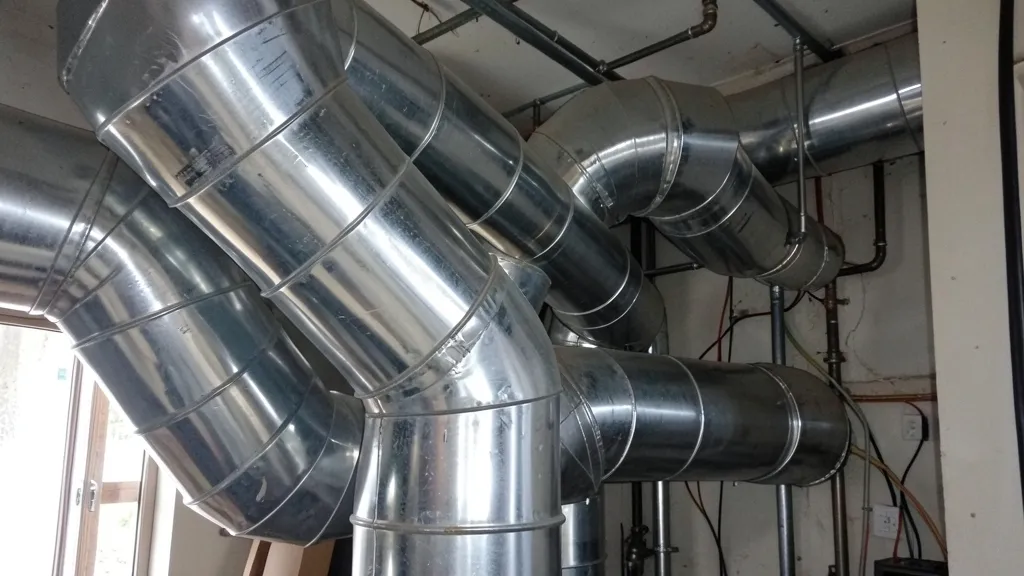
Sandy homeowners often underestimate the risks of DIY duct cleaning. Without professional tools and training, you can damage your HVAC system, spread contaminants, or even create mold hotspots. We’ve seen the costly aftermath firsthand—here’s what you need to know before grabbing a vacuum and a brush.
Why DIY Duct Cleaning Seems Like a Good Idea (At First)
The allure is strong: save money, tackle a weekend project, and improve airflow. Many assume a shop vac and a long brush can match professional results.
Online tutorials make it look simple, but they rarely show the hidden damage or incomplete cleaning that often follows.
The Tools You Don’t Have (And Why They Matter)
Professionals use high-powered HEPA vacuums, rotary brushes, and compressed air tools to dislodge and capture debris without scattering it.
DIY tools lack the suction and filtration to prevent fine particulates from recirculating through your home. Even a high-end shop vac can’t match industrial-grade equipment.
| Tool | Professional Grade | DIY Alternative |
|---|---|---|
| Vacuum | HEPA-rated, 200+ CFM | Shop vac, 50-100 CFM |
| Brush System | Rotary brushes, variable speed | Handheld brush or drill attachment |
| Inspection | Borescope camera | Flashlight or mirror |
| Sanitization | UV light or antimicrobial spray | Household cleaner (ineffective) |
How DIY Cleaning Can Damage Your HVAC System
Flex ducts are easily torn by aggressive brushing or vacuum hoses. Once damaged, they leak conditioned air and pull in unfiltered dust from attics or crawl spaces.
Metal ducts can dent or scratch, creating pockets where debris accumulates. Even minor damage disrupts airflow, forcing your blower motor to work harder and shortening its lifespan.
Never run your HVAC while cleaning ducts. Particulates can clog the blower motor, leading to overheating or failure. This is a common DIY mistake with expensive consequences.
The Mold and Mildew Risk You Can’t See
Sandy’s dry climate doesn’t eliminate mold risks. Moisture from condensate drips, leaks, or high humidity can create ideal conditions in dark, undisturbed ductwork.
DIY cleaning often misses hidden moisture pockets. Without proper drying or antimicrobial treatment, you can inadvertently spread spores to previously clean areas.
Indoor Air Quality: Making It Worse Before It Gets Better
Poorly executed cleaning stirs up dust, pet dander, and allergens, temporarily worsening air quality. Without containment, these particles settle on furniture, carpets, and bedding.
In homes with allergies or asthma, this can trigger severe reactions. Professionals use containment systems to prevent cross-contamination during the process.
If your air filters are clogged, cleaning ducts won’t help airflow. Replace them before and after duct cleaning to protect your system and indoor air.
The Hidden Costs of Skipping a Professional Inspection
Ductwork often hides deeper issues: disconnected joints, crushed sections, or pest infestations. DIY cleaning won’t address these, and you might miss signs of needed repairs.
In Cottonwood Heights, Draper, and Midvale, we frequently find rodent nests or insect debris in ducts—problems that require more than just cleaning.
Signs You Need a Professional Duct Inspection
- Unexplained spikes in energy bills
- Hot or cold spots in different rooms
- Visible dust or debris around vents
- Musty odors when HVAC runs
- Allergy symptoms that worsen indoors
When DIY Might Be Acceptable (And When It’s Not)
For light maintenance between professional cleanings, you can safely vacuum accessible vent covers and the first few inches of ductwork. Use a soft brush attachment to avoid damaging surfaces.
Never attempt to clean the evaporator coil, blower motor, or deep duct runs yourself. These require specialized tools and training to avoid costly damage.
What Professional Duct Cleaning in Sandy Actually Involves
We start with a thorough inspection using borescope cameras to assess duct condition and identify problem areas. This step alone prevents unnecessary work or surprises.
Next, we use negative air pressure and HEPA filtration to remove debris without spreading it. For mold or bacteria, we apply EPA-approved sanitizers or UV light treatments.
How to Safely Inspect Your Ducts Before Calling a Pro
A quick pre-inspection can help you decide if professional cleaning is needed.
- 1Turn Off the HVAC System
Prevent the blower from spreading dust or debris while you work. Locate the circuit breaker for the HVAC unit and switch it off.
- 2Remove Vent Covers
Use a screwdriver to unscrew vent covers. Check for visible dust buildup, mold, or pest droppings inside the first few inches of duct.
- 3Use a Flashlight and Mirror
Shine a flashlight into the duct and use a small mirror to inspect around bends. Look for excessive debris, moisture, or damage.
- 4Check for Airflow Restrictions
Hold a tissue near the vent while the system is off. If it doesn’t move freely when the system is on, there may be a blockage.
- 5Note Any Odors or Sounds
Musty smells or rattling noises when the HVAC runs can indicate mold, loose components, or pest activity. Document these for your technician.
Frequently Asked Questions
Can DIY duct cleaning void my HVAC warranty?
Yes, in many cases. Most manufacturers require professional maintenance to keep warranties valid. Damage caused by improper cleaning is typically not covered. Always check your warranty terms before attempting DIY work.
How do I know if my Sandy home’s ducts need cleaning?
Signs include visible dust around vents, musty odors, reduced airflow, or unexplained allergy symptoms. If you’ve renovated recently or had pest issues, a professional inspection is wise. Request a quote to assess your needs.
Is duct cleaning necessary if I replace my air filters regularly?
Replacing filters helps, but it doesn’t address debris deep in the ductwork. Filters catch larger particles, but finer dust, pet dander, and mold spores can still accumulate in the ducts over time.
What’s the difference between duct cleaning and dryer vent cleaning?
Duct cleaning focuses on HVAC supply and return ducts, while dryer vent cleaning targets the vent leading from your dryer to the outside. Both are critical: clogged dryer vents are a fire hazard, and dirty ducts reduce HVAC efficiency.
Do you serve areas near Sandy, like South Jordan or Murray?
Yes, we provide air duct cleaning, dryer vent cleaning, and related services across Sandy, South Jordan, Murray, Draper, Midvale, and Cottonwood Heights. Local conditions like dusty summers and cold winters make regular maintenance especially important here.
Can duct cleaning help with my allergies?
Absolutely. Removing dust, pet dander, mold spores, and other allergens from your ducts can significantly improve indoor air quality. For severe allergies, we also recommend UV light sanitization or indoor air quality testing to address hidden contaminants.