From Dust to Disease: The Health Risks of Clogged Air Ducts in Sandy
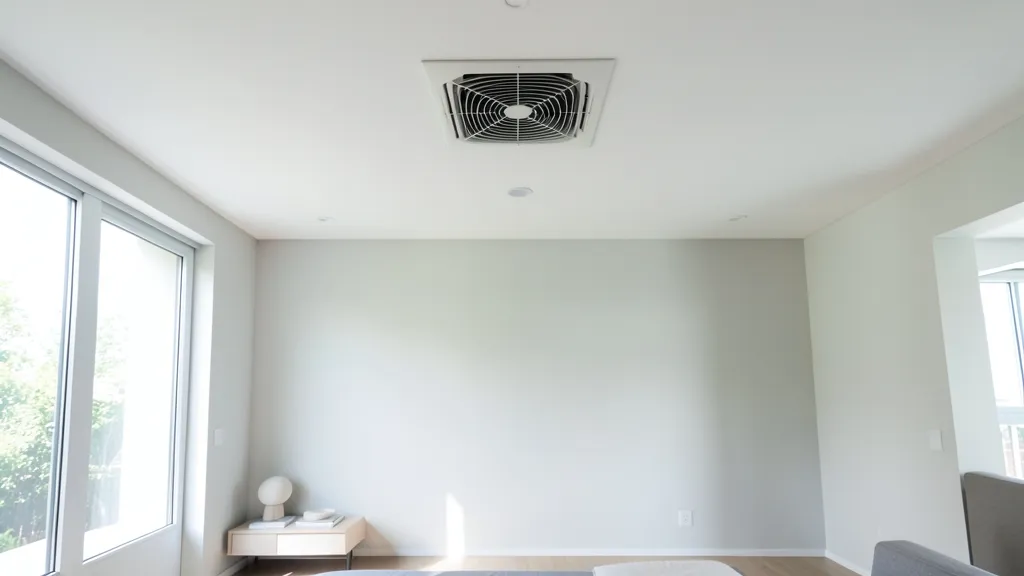
The air inside your home can be up to five times more polluted than outside air, and clogged ductwork is a major culprit. In our dry Utah climate, dust, pet dander, and pollen accumulate fast, turning your HVAC system into a silent distributor of contaminants. We see firsthand how neglected ducts aggravate allergies, asthma, and even long-term respiratory issues for families across Sandy, Cottonwood Heights, and Draper.
How Dirty Ducts Compromise Indoor Air Quality
Your HVAC system circulates air through every room multiple times per hour. When ducts are coated with dust, mold, or debris, those particles are constantly redistributed into your living spaces.
In Utah’s arid environment, fine dust from the valley and construction sites easily infiltrates homes. Without regular air duct cleaning, these particles build up in flex ducts, sheet metal runs, and even fiberglass-lined systems, degrading IAQ over time.
The Most Common Health Risks Linked to Clogged Ducts
Allergies and asthma flare-ups are the most immediate signs of poor duct hygiene. Dust mites, pet dander, and pollen trapped in ductwork trigger immune responses, especially in children and the elderly.
Mold and mildew thrive in dark, moist sections of ductwork, particularly near evaporator coils or improperly sealed joints. Inhaling mold spores can cause chronic sinusitis, headaches, and respiratory infections.
Long-term exposure to volatile organic compounds (VOCs) from household cleaners, off-gassing furniture, or pest droppings in ducts may contribute to more serious conditions, including cardiovascular and neurological issues.
| Health Risk | Primary Contaminant | Common Duct Sources |
|---|---|---|
| Allergies & Asthma | Dust mites, pollen, pet dander | Supply/return ducts, air filters |
| Respiratory Infections | Mold spores, bacteria | Moisture-prone duct sections, coils |
| Chronic Sinusitis | Mold, mildew, VOCs | Poorly sealed ducts, stagnant air pockets |
| Eye/Nose Irritation | Particulate matter (PM2.5) | Clogged filters, dirty vents |
Signs Your Sandy Home’s Ducts Need Professional Attention
Unexplained dust buildup on furniture shortly after cleaning is a classic red flag. If your filters clog faster than usual, it’s a sign ducts are overloaded with debris.
Musty odors when the HVAC kicks on often indicate mold or mildew growth. In our area, this is common after humid summers or in basements with poor ventilation.
Inconsistent airflow or hot/cold spots in rooms can mean duct blockages. Listen for whistling or rattling noises—these suggest restricted airflow or loose components.
If you see mold near vents or inside ductwork, avoid running the HVAC until a professional inspects and treats the system. Disturbing mold can spread spores rapidly.
Why DIY Duct Cleaning Falls Short
Vacuuming vents or using a shop vac only removes surface dust. Most debris clings to duct walls, hidden in bends or behind registers, where household tools can’t reach.
Improper cleaning can damage flex ducts or dislodge insulation, creating new problems. Without specialized brushes, negative air machines, and HEPA filtration, you risk stirring up contaminants without fully removing them.
Safety is another concern. Disturbing old ductwork may release asbestos (in pre-1980s homes) or rodent droppings, which require professional abatement.
How Professional Air Duct Cleaning Works
We start with a thorough inspection using cameras to assess duct condition and contamination levels. This helps us tailor the cleaning method to your system’s needs.
Our team uses high-powered vacuums and rotating brushes to dislodge debris from all duct surfaces. For stubborn mold or mildew, we apply EPA-approved treatments to sanitize the system.
The process includes cleaning supply and return ducts, registers, grilles, and the blower motor. For comprehensive IAQ improvement, we often recommend pairing duct cleaning with HVAC coil cleaning and dryer vent cleaning.
UV light systems installed in ductwork can continuously neutralize mold, bacteria, and viruses, keeping your air cleaner between professional cleanings.
Local Factors That Worsen Duct Contamination in Utah
Sandy’s dry, windy climate carries fine dust and pollen into homes, accelerating duct buildup. Wildfire smoke from nearby canyons or western states can also infiltrate systems, leaving a sticky residue.
Older neighborhoods in Midvale or Murray often have aging ductwork with gaps or poor seals, allowing contaminants to enter and circulate unchecked.
High humidity in basements or crawl spaces—common in Draper and Cottonwood Heights—creates ideal conditions for mold growth in ducts, especially if the HVAC system isn’t properly sized or maintained.
Preventing Future Duct Problems
Regular air filter replacement is your first line of defense. We recommend high-efficiency filters (MERV 8–13) for most homes, changed every 1–3 months depending on occupancy and pets.
Sealing duct leaks with mastic or metal tape improves efficiency and reduces contaminant entry. Consider a duct inspection every 3–5 years, or sooner if you notice IAQ issues.
For homes with allergy sufferers, adding a whole-house air purifier or UV sanitization system can provide extra protection. Annual dryer vent cleaning also prevents lint from entering ductwork.
Duct Maintenance Checklist
- Replace air filters every 1–3 months
- Schedule professional duct cleaning every 3–5 years
- Inspect ducts for leaks or damage annually
- Consider UV sanitization or air purifiers for high-risk households
- Clean dryer vents yearly to prevent lint buildup
When to Call in the Experts
If anyone in your household experiences unexplained respiratory symptoms, itching, or fatigue, your ducts may be to blame. A professional IAQ test can identify specific contaminants.
After home renovations, especially in older homes, duct cleaning removes construction dust and debris. The same applies after a pest infestation or water damage event.
Before moving into a new home—whether in South Jordan or Sandy—have the ducts inspected. Previous owners may have neglected maintenance, leaving hidden contaminants behind.
How to Check Your Ducts for Contamination
A quick visual and functional inspection can reveal whether your ducts need professional attention.
- 1Inspect Vents and Registers
Remove vent covers and shine a flashlight into the ducts. Look for thick dust buildup, mold, or debris within the first few feet.
- 2Check for Uneven Airflow
Turn on the HVAC and hold a tissue near each vent. Weak or inconsistent airflow may indicate blockages.
- 3Sniff for Odors
Musty or stale smells when the system runs often signal mold or trapped contaminants in the ductwork.
- 4Look for Dust Around Vents
Excessive dust on furniture or around vent covers shortly after cleaning suggests ducts are redistributing particles.
- 5Listen for Unusual Noises
Whistling, rattling, or banging sounds can mean loose components or obstructions in the duct system.
Frequently Asked Questions
Can dirty ducts make my allergies worse?
Absolutely. Dust mites, pollen, and pet dander trapped in ducts circulate through your home, triggering allergy symptoms. Professional cleaning removes these contaminants, providing noticeable relief for many allergy sufferers.
How often should I have my air ducts cleaned in Sandy?
We recommend professional duct cleaning every 3–5 years for most homes. However, households with pets, smokers, or allergy sufferers may need more frequent service. Request a quote for a personalized assessment.
What’s the difference between air duct cleaning and HVAC coil cleaning?
Air duct cleaning focuses on the ductwork that distributes air, while HVAC coil cleaning targets the evaporator and condenser coils, which can harbor mold and reduce system efficiency. Both are critical for optimal IAQ and performance.
Do new homes in South Jordan or Draper need duct cleaning?
Yes. Construction dust, debris, and even rodent activity during building can contaminate ducts. A thorough cleaning before move-in ensures a healthy start for your new home.
Can mold in ducts spread to other areas of my home?
Yes. Mold spores released into your living spaces can settle on walls, furniture, and carpets, leading to new growth. That’s why addressing duct mold quickly—and professionally—is essential.
Is UV light treatment for ducts worth it in Utah’s climate?
UV sanitization is highly effective in dry climates like ours, where dust and allergens are prevalent. It neutralizes mold, bacteria, and viruses, keeping your ducts cleaner between professional cleanings.