The Complete Guide to Professional Air Duct Cleaning in Sandy
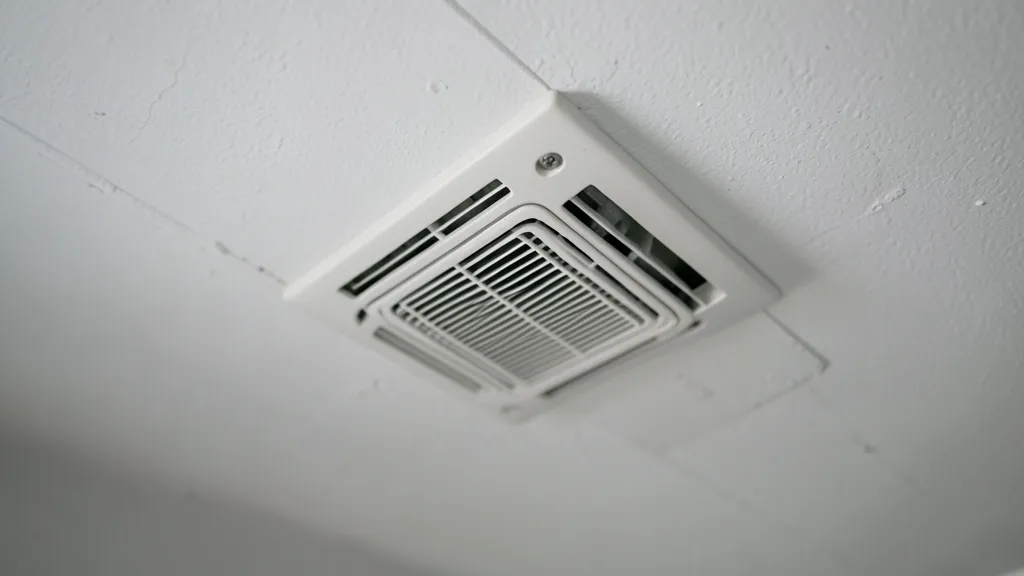
Your HVAC system works overtime in our climate, circulating air through miles of ductwork that collect dust, allergens, and even mold over time. Professional air duct cleaning isn’t just about dust—it’s about restoring efficiency, improving indoor air quality, and protecting your system’s lifespan.
Why Sandy Homes Need Professional Air Duct Cleaning
Our dry, dusty summers and cold winters mean HVAC systems run almost year-round, pulling in fine particulate matter that settles deep in your ductwork. Over time, this buildup restricts airflow, forcing your system to work harder and driving up energy costs.
Homes near construction zones in areas like Draper or South Jordan see even faster accumulation. Pet owners, allergy sufferers, and families with young children benefit most from removing these hidden contaminants.
Signs Your Ducts Need Cleaning Now
Visible dust blowing from supply vents when the system kicks on is a red flag. If you notice musty odors lingering after cleaning or see mold growth around vents, it’s time for an inspection.
Unexplained allergy flare-ups, frequent dusting needs, or inconsistent airflow between rooms also signal clogged ducts. Don’t wait for reduced efficiency—these issues often worsen during peak summer or winter months.
Red Flags for Dirty Ducts
- Dust puffs from vents when HVAC starts
- Persistent musty or stale odors
- Visible mold on or near ductwork
- Increased allergy or asthma symptoms indoors
- Higher-than-usual energy bills with no other explanation
How Professional Air Duct Cleaning Works
We start with a thorough inspection using high-definition cameras to assess contamination levels in both supply and return ducts. This step identifies problem areas like collapsed sections or excessive debris near the blower motor.
Next, we use industry-grade equipment—rotary brushes, compressed air tools, and powerful vacuums—to dislodge and remove contaminants. For stubborn mold or mildew, we may apply EPA-approved sanitizers to treat the ductwork surface.
The process typically takes 2-4 hours for an average home, depending on system size and accessibility. We always seal and re-insulate any access points we create to maintain your ductwork’s integrity.
Air Duct Cleaning vs. DIY: What You’re Missing
Consumer-grade vacuums and brushes can’t reach deep into ductwork or agitate debris effectively. Without negative air pressure systems, loose contaminants often redeposit further down the line.
Professionals also address components DIYers overlook: evaporator coils, blower wheels, and drain pans. These areas harbor moisture and organic growth that spread contaminants back into cleaned ducts.
| Factor | Professional Service | DIY Approach |
|---|---|---|
| Equipment | High-powered vacuums, rotary brushes, compressed air | Household vacuum, basic brushes |
| Reach | Full system: ducts, coils, blower components | Surface-level only |
| Contaminant Removal | Comprehensive, with sanitization options | Partial, often redeposits dust |
| Safety | Proper sealing, no damage to ductwork | Risk of puncturing ducts or spreading mold |
| Time Investment | 2-4 hours for thorough cleaning | All day with limited results |
When to Consider Additional Services
If our inspection reveals mold in your system, we recommend a dedicated mold and mildew duct treatment. This involves antimicrobial applications that prevent regrowth in moist areas of your HVAC.
For homes with pets or smokers, UV light and sanitization treatments can neutralize odors and pathogens. We also offer indoor air quality testing to identify specific pollutants affecting your family.
Don’t forget your dryer vent—lint buildup is a fire hazard. We clean these separately but often during the same visit for efficiency, especially in neighborhoods like Cottonwood Heights or Midvale where older homes may have longer vent runs.
Schedule duct cleaning and dryer vent cleaning together. This saves time and often reduces the overall service cost through bundled labor.
What to Expect During and After Cleaning
Our team arrives with protective coverings for your floors and furniture. We’ll need access to all vents, the HVAC unit, and electrical panels—clearing a 3-4 foot workspace helps us move efficiently.
After cleaning, you may notice a slight dusty smell for a few hours as residual particles settle. This is normal. We recommend changing your air filter immediately after service to capture any remaining debris.
Expect improved airflow within 24 hours. If you have smart thermostats, you’ll likely see more consistent temperatures across rooms that previously had hot or cold spots.
Maintaining Clean Ducts Between Professional Services
Use high-quality air filters with a MERV rating of 8-13 and replace them every 1-3 months. Higher MERV filters capture smaller particles but may restrict airflow—check your HVAC manufacturer’s recommendations.
Keep vents unobstructed by furniture or rugs. Regularly dust supply and return grilles with a microfiber cloth to prevent buildup at the entry points.
Consider an annual HVAC maintenance plan that includes coil cleaning and blower inspection. This prevents contaminants from entering clean ducts and extends your system’s life.
Never run your HVAC without a filter, even for a short time. This allows unfiltered air to coat your freshly cleaned ducts with dust and debris.
Commercial Duct Cleaning: Special Considerations for Sandy Businesses
Offices, retail spaces, and restaurants in areas like Murray or South Jordan have unique needs. Commercial systems often feature larger ductwork, multiple zones, and greater contaminant diversity from cooking, cleaning chemicals, or high foot traffic.
We follow NAADCA standards for commercial cleaning, which may include more frequent service intervals and specialized equipment for grease removal in kitchen exhaust systems.
Improved indoor air quality in commercial spaces can reduce employee sick days and create a more comfortable environment for customers—critical for businesses that rely on repeat visitors.
How to Prepare for Professional Air Duct Cleaning
A little preparation ensures the process goes smoothly and maximizes results.
- 1Clear the Work Area
Move furniture, rugs, and breakable items at least 3-4 feet away from all vents and the HVAC unit. This gives our team unobstructed access and protects your belongings.
- 2Secure Pets
Place pets in a separate room or outside during the service. The noise and activity can stress animals, and loose pets may interfere with equipment.
- 3Turn Off HVAC
Switch your system off at the thermostat and circuit breaker before we arrive. This prevents the blower from circulating dust during cleaning.
- 4Point Out Concerns
Note any problem areas like musty odors, visible mold, or rooms with poor airflow. Share this with our team during the initial inspection.
- 5Plan for Post-Service
Have a new air filter on hand to install immediately after cleaning. Avoid vacuuming for 24 hours to let any residual dust settle.
Frequently Asked Questions
How often should I have my air ducts cleaned in Sandy?
Most homes benefit from cleaning every 3-5 years, but factors like pets, allergies, recent renovations, or visible mold may require more frequent service. Request a quote and inspection to assess your specific needs.
Will air duct cleaning reduce my energy bills?
Yes, by removing blockages that restrict airflow, your HVAC system operates more efficiently. Many Sandy homeowners see noticeable improvements in energy consumption, especially if ducts were severely clogged.
Is air duct cleaning messy?
Not with professional service. We use containment systems and high-powered vacuums to prevent dust from spreading. You may see a slight increase in dust on surfaces for a day or two as any remaining particles settle.
Do you clean dryer vents during air duct service?
We can, and we often recommend it. Dryer vents accumulate lint that poses a fire risk and reduces appliance efficiency. It’s a separate service but can be scheduled simultaneously for convenience.
Can air duct cleaning help with allergies?
Absolutely. Removing dust mites, pet dander, pollen, and mold spores from your ductwork significantly improves indoor air quality. For severe allergies, we also offer UV light treatments and indoor air quality testing.
How do I know if my ducts have mold?
Visible mold around vents or a persistent musty smell are clear indicators. However, mold can also hide deep in the system. Our inspection cameras can confirm its presence, and we offer mold and mildew treatments if needed.