The Best Tools for Detecting Duct Contamination in Sandy
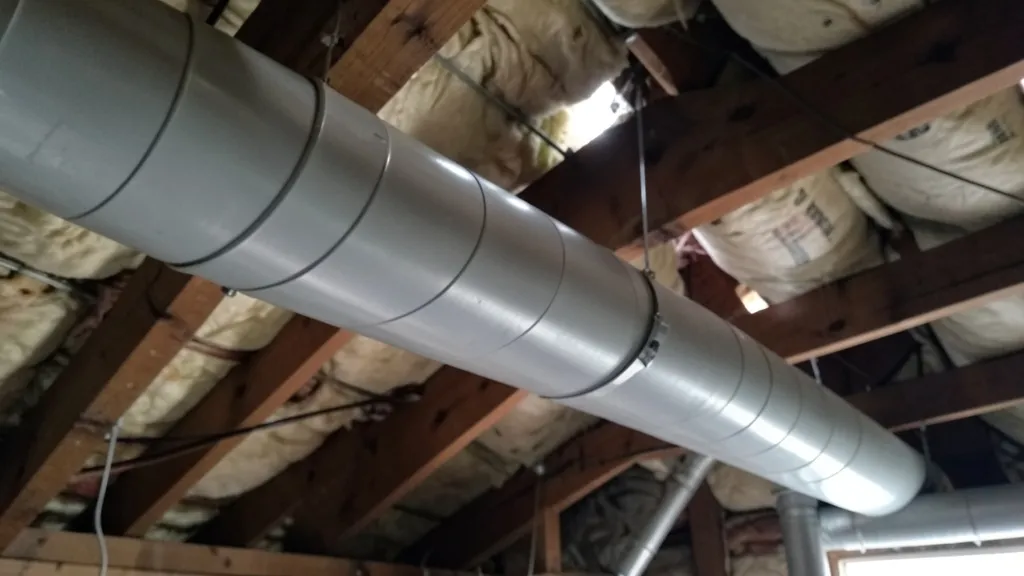
Hidden contaminants in your ductwork can degrade indoor air quality and strain your HVAC system. We rely on specialized tools to uncover what’s lurking in your vents—from mold and dust to debris buildup—so you can breathe easier. Here’s how we do it right.
Why Professional Duct Inspection Tools Matter
Standard visual checks miss most duct contamination. Professional tools reveal microscopic particles, moisture, and biological growth that compromise air quality and system efficiency.
In Sandy’s dry climate, dust and pet dander accumulate fast, while occasional humidity spikes can foster mold in ductwork. Without the right tools, these issues go unnoticed until they cause real problems.
Borescopes: The Eyes Inside Your Ducts
A high-resolution borescope with a flexible cable lets us navigate tight turns in flex ducts and sheet metal runs. We capture real-time images of debris, rust, or biological growth deep in the system.
Modern borescopes feature LED lighting and 1080p cameras, so we can document findings for clients in Cottonwood Heights or Midvale. This is our first line of defense for spotting hidden contamination.
Ask for photo or video documentation of your duct inspection. Reputable technicians will provide visual proof of contamination before recommending cleaning.
Particle Counters: Measuring What You Can’t See
Particle counters sample air from supply and return vents, quantifying microscopic contaminants like dust, pollen, and mold spores. We compare readings to EPA standards to assess indoor air quality.
These devices help us prioritize cleaning in high-traffic areas like Murray or Draper, where outdoor pollutants and construction dust often infiltrate duct systems.
Moisture Meters and Thermal Imaging Cameras
Moisture meters detect hidden leaks or condensation in ductwork, which can lead to mold growth. We often pair them with thermal imaging cameras to spot temperature anomalies indicating moisture or blockages.
In older homes with fiberglass ducts, these tools are critical. Sandy’s temperature swings can cause condensation, creating ideal conditions for mold and mildew.
Ignoring moisture in ducts can lead to structural damage and costly HVAC repairs. Early detection saves money and protects your health.
Static Pressure Gauges and Anemometers
Static pressure gauges measure airflow resistance in your duct system. High readings often signal blockages from debris or collapsed flex ducts, which we see frequently in South Jordan’s newer developments.
Anemometers measure airflow velocity at vents. Low CFM (cubic feet per minute) can indicate duct contamination or improper HVAC balancing, both of which reduce system efficiency.
| Contaminant Type | Detection Tool | What It Reveals |
|---|---|---|
| Dust & Debris | Borescope, Particle Counter | Visible buildup, high particulate counts |
| Mold & Mildew | Moisture Meter, Thermal Camera | Hidden moisture, temperature anomalies |
| Blockages | Static Pressure Gauge, Anemometer | Restricted airflow, low CFM readings |
| Pet Dander & Allergens | Particle Counter, Borescope | Microscopic particles, visible residue |
| Rust & Corrosion | Borescope, Thermal Camera | Deterioration, heat loss points |
UV Lights and Sanitization: Beyond Detection
Once we detect biological contaminants, UV light systems can be installed to sanitize duct surfaces. These systems use ultraviolet radiation to kill mold, bacteria, and viruses, improving air quality long-term.
We often recommend UV treatment for clients in high-humidity areas or homes with allergy sufferers. It’s a proactive step after thorough duct cleaning and coil cleaning.
When to Call in the Pros for Duct Inspection
Schedule an inspection if you notice uneven heating or cooling, musty odors, or increased dust in your home. These are red flags for duct contamination or blockages.
We also advise inspections after home renovations, especially in areas like Draper or Midvale where construction dust is common. New HVAC installations or major repairs are another ideal time for a professional assessment.
Signs You Need a Duct Inspection
- Visible dust or debris around vents
- Unexplained allergies or respiratory issues
- Musty or stale odors when HVAC runs
- Reduced airflow from certain vents
- Recent home renovation or construction
- Higher-than-usual energy bills
What to Expect During a Professional Duct Inspection
Our team starts with a visual assessment of your HVAC system, including the air handler, coils, and accessible ductwork. We then use borescopes, particle counters, and other tools to inspect deeper into the system.
For commercial duct cleaning or larger homes, we may use additional equipment like robotic crawlers for hard-to-reach areas. The process typically takes 1-2 hours, depending on system size and complexity.
How to Prepare for a Duct Contamination Inspection
A little prep ensures we can thoroughly inspect your system without delays.
- 1Clear the Area
Move furniture, storage items, or decor away from vents and the HVAC unit to give our team full access.
- 2Change Air Filters
Replace disposable filters or clean reusable ones before the inspection. This helps us assess the system’s baseline condition.
- 3Secure Pets
Keep pets in a separate area. Our tools can be loud, and we need unrestricted access to all parts of your home.
- 4Provide System Details
Share any known issues, like uneven heating or strange odors, and let us know the age of your HVAC system.
- 5Turn Off HVAC
Switch off your system 30 minutes before the inspection to allow ducts to cool, making it safer to use our tools.
Frequently Asked Questions
How often should I have my ducts inspected in Sandy?
We recommend a professional duct inspection every 3-5 years for most homes. However, if you have pets, allergies, or live in a dusty area like South Jordan, consider annual checks. Request a quote to assess your specific needs.
Can duct contamination affect my HVAC system’s efficiency?
Absolutely. Contaminants like dust and debris restrict airflow, forcing your HVAC to work harder. This reduces efficiency, increases energy costs, and can lead to premature system failure. Regular inspections and air duct cleaning help maintain optimal performance.
What’s the difference between duct cleaning and duct sanitization?
Duct cleaning removes physical debris like dust and mold spores from your system. Sanitization, often using UV light treatment or mold and mildew duct treatment, kills biological contaminants. For best results, we often combine both services.
Are some duct materials more prone to contamination?
Yes. Fiberglass ducts can trap moisture and harbor mold, while sheet metal ducts are more resistant but can still accumulate dust. Flex ducts are prone to tears and blockages. Our tools help us assess the condition of all duct types.
Do you offer indoor air quality testing in Sandy?
Yes, we provide comprehensive indoor air quality testing to identify pollutants like mold, VOCs, and allergens. This service pairs well with duct inspection to give you a full picture of your home’s air quality.
Is duct contamination worse in older homes?
Often, yes. Older homes may have deteriorating ductwork, gaps, or outdated materials that trap contaminants. However, newer homes in areas like Cottonwood Heights or Draper can also have issues due to construction debris or poor installation.